
 English
 русский
 Español
 عربى
عربى

What Is a Hotel Duvet, Exactly?
A hotel duvet is not just a fancy word for a blanket. It's a specific type of bedding system built around two separate components working together: a duvet insert (the actual filled, quilted layer that provides warmth and loft) and a hotel duvet cover (a removable, washable fabric sleeve that encases the insert, similar to how a pillow slides into a pillowcase).
This two-piece design is the single biggest difference between a duvet and a traditional comforter. A comforter is typically a single sewn unit - the fabric shell and the fill are stitched together permanently, meaning the entire piece has to be laundered (or dry cleaned) as one unit. A duvet, by contrast, separates the "warmth layer" from the "style layer," which is exactly why hotels favor this system at scale.
Why the Two-Piece System Matters for Hotels
Commercial hospitality laundering happens constantly - often daily for the top sheet and duvet cover, and after every checkout for the full bedding set hotel staff use. If hotels had to wash a fully filled comforter after every guest, the down fill would degrade quickly, drying times would balloon, and replacement costs would be enormous. Instead, housekeeping strips the hotel duvet cover and hotel sheets, sends them to industrial laundry, and simply re-dresses the same duvet insert with a fresh cover. The insert itself is only laundered a few times a year.
This is also why, when people ask "what is a hotel duvet," the more useful question is really "what is a hotel bedding set" - because a duvet on its own is just one piece of a much larger, carefully engineered system.
Where the Hotel Duvet System Came From
The duvet itself has European origins, tracing back centuries to feather-filled bedding used in colder climates across Scandinavia and Central Europe. What changed the hospitality industry was not the duvet's warmth but its practicality once hotels realized they could separate the insert from a removable cover. Through the late twentieth century, as boutique and luxury hotel brands began competing on guest experience rather than price alone, the duvet system quietly replaced the older "blanket-and-bedspread" model that dominated mid-century hotels. That older model required top sheets to be tucked, folded, and hospital-cornered by hand - a labor-intensive process. The duvet system cut housekeeping time dramatically while simultaneously looking more luxurious, which is why it spread from five-star properties down to nearly every hotel tier within a generation.
Today, when a guest checks into almost any mid-range or upscale hotel and pulls back the top layer, they are looking at the same core system: an insert, a cover, and a foundation of crisp hotel sheets underneath. Understanding this system is the first step toward sourcing genuine hotel bedding sets for your own home or property, rather than settling for bedding that merely looks similar in a product photo.
Duvet vs. Duvet Cover: A Common Point of Confusion
One reason people struggle to answer "what is a hotel duvet" precisely is that retailers use the word inconsistently. Some list "duvet" to mean only the insert, others use it to describe the cover, and many bundle both under a single product name. When shopping, always confirm whether a listing includes the actual filled insert, just the hotel duvet cover, or both as a complete set - this single detail determines whether you're buying a ready-to-use bed layer or just the decorative shell that needs to be paired with a separate insert.
What Makes Hotel Duvets Different From Regular Duvets at Home
Not all duvets are created equal, and the gap between a budget home duvet and genuine hotel-quality bedlinen comes down to four measurable factors: fill power, baffle-box construction, fabric weight, and durability engineering for commercial laundering.
1. Fill Power and Loft
Fill power measures how much space one ounce of down occupies - essentially, how "lofty" and insulating it is. Hotel-grade duvets typically use 600-800 fill power down or a high-quality down-alternative microfiber engineered to mimic that loft, giving the duvet its signature plush, cloud-like rise without excessive weight.
2. Baffle-Box Construction
Cheaper duvets are often stitched in flat, sewn-through squares, which lets down shift and clump, creating cold spots. Genuine hotel collection comforters and duvet inserts use baffle-box construction - internal fabric walls that create small, upright chambers. This keeps fill evenly distributed across every wash and every night's use, which is essential when a duvet is handled by thousands of guests per year.
3. Fabric Weight and Hand-Feel
The outer shell of a hotel duvet insert and its cover is usually a tightly woven cotton or cotton-blend fabric of at least 300 thread count, chosen specifically because it resists down leakage ("fill migration") while still feeling soft against skin.
4. Commercial-Grade Durability
Because hospitality bedding is laundered industrially - high heat, strong detergents, frequent tumble drying - hotel-quality bedlinen is engineered with reinforced seams, double-stitched corners, and colorfast dyes (which is one reason white hotel comforters dominate the industry: white fabric can be bleached and sanitized without any risk of dye fading or color transfer).
5. Consistent Sizing Across Properties
Large hotel groups purchase bedding through centralized procurement, which means every property in a brand's portfolio uses identical duvet dimensions, fill specifications, and cover styles. This consistency is why a guest can stay at the same hotel chain in two different cities and experience an almost identical bed feel. Home shoppers rarely think about this, but it's a useful lesson: once you find a hotel duvet cover and insert combination that fits your mattress and preferences well, sticking with that same specification across guest rooms or rental properties creates the same reliable, branded comfort that hotels rely on.
6. Guest-Tested Comfort Engineering
Major hospitality brands run guest-satisfaction surveys and comfort trials before finalizing a duvet specification for a property refresh. Fill power, weight, and cover fabric are frequently adjusted based on aggregate guest feedback rather than a single designer's preference. That data-driven approach is part of why hotel duvets tend to hit a comfort "sweet spot" that appeals to the widest possible range of sleepers - neither too hot nor too heavy, and soft enough to feel indulgent without being difficult to fluff back into shape each morning.
| Feature | Standard Home Duvet | Hotel-Quality Duvet |
|---|---|---|
| Fill Power | 300-500 | 600-800 |
| Construction | Sewn-through squares | Baffle-box chambers |
| Shell Thread Count | 180-250 | 300-600 |
| Laundering Cycles/Year | 4-8 (home use) | 150+ (commercial use) |
| Typical Color | Varied prints | White or ivory |
Anatomy of a Full Hotel Bedding Set
When guests describe a "hotel bed," they're rarely thinking about a single item - they're responding to a full hotel bedding set layered with intention. Hospitality design teams follow a near-universal formula, refined over decades of guest-satisfaction data, because it photographs beautifully and feels consistently comfortable across every body type and room temperature.
| Layer | Component | Purpose |
|---|---|---|
| 1 | Fitted Sheet | Base layer against the mattress; part of the hotel sheets set |
| 2 | Flat Sheet | Wraps around the duvet insert before the cover, adds a crisp hand-feel |
| 3 | Duvet Insert + Cover | The central warmth layer - the actual "hotel duvet" |
| 4 | Decorative Bed Cover / Coverlet | A folded bed cover hotel designers use at the foot of the bed for texture and color contrast |
| 5 | Pillow Shams | Decorative outer pillow layer coordinating with the duvet cover |
| 6 | Sleeping Pillows | Functional pillows underneath the shams |
| 7 | Bolster / Accent Pillow (optional) | Final styling touch used in boutique and luxury properties |
This layering method is precisely why a well-made bedding set hotel teams choose looks so different from a single comforter thrown over a mattress. Each layer has a distinct job: hygiene, warmth, texture, and visual styling are all handled separately, which also makes maintenance far easier - housekeeping can replace just one layer (say, a stained pillow sham) without disturbing the rest of the set.
Why Hotels Layer Instead of Simplify
It might seem more efficient to just throw one thick blanket on a bed and call it done, but hospitality design teams intentionally resist that simplicity. Layering solves a practical problem: not every guest wants the same amount of warmth. A lighter sleeper can peel back the decorative bed cover hotel staff have folded at the foot of the bed and use only the flat sheet and a light throw, while a guest who runs cold can pull the full duvet up without disturbing the rest of the styling. This flexibility is a big part of why hotel bedding sets consistently outperform single-blanket setups in guest satisfaction scores - the system adapts to the sleeper instead of forcing the sleeper to adapt to it.
There's also a purely visual reason for the layered approach. Photography for hotel marketing relies heavily on texture contrast - the crisp white plane of the flat sheet, the soft rise of the duvet, the folded geometry of the bedspread, and the varied heights of stacked pillows all create depth in a still image. A single flat comforter photographs noticeably flatter and less inviting, which is one more reason design teams stick with the full bedding set hotel formula even though it requires more pieces to manage.
Down Fill Power & Weight: How to Read the Numbers
If you're shopping for hotel-quality bedlinen, two numbers matter more than any brand name: fill power and fill weight (GSM). Fill power tells you the quality and loft of the down; fill weight tells you how much of it is actually inside the duvet - and together they determine warmth.
| Fill Power | GSM (Fill Weight) | Best Season | Feel |
|---|---|---|---|
| 300-450 | 150-250 gsm | Summer | Light, breathable |
| 450-600 | 250-350 gsm | Spring / Fall | Balanced warmth |
| 600-700 | 350-500 gsm | Year-round hotel standard | Plush, medium-warm |
| 700-800+ | 500-700 gsm | Winter / Cold climates | Heavy, deeply insulating |
Most upscale hotels settle on the "year-round" tier - a 600-700 fill power duvet around 350-500 GSM - because it comfortably suits guests from a wide range of climates without needing seasonal swaps. If you're building your own hotel bedding collection at home, this middle range is the safest starting point unless you live somewhere with extreme winters.
Many hotel collection comforters now use high-loft microfiber ("down alternative") instead of real down, both for cost control and for guests with allergies. A well-made down-alternative insert with a comparable "fill power equivalent" rating of 600+ can feel nearly identical to genuine down while being fully machine-washable - a major advantage for home use.
Duvet Fill Materials: Down, Feather-Down Blend, and Down Alternative Compared
Once you understand fill power and weight, the next decision is which fill material is right for your hotel duvet insert. Hospitality suppliers generally offer three options, each with distinct advantages that explain why different hotel tiers make different choices.
100% Down
Pure down clusters - the fluffy undercoating found beneath a duck or goose's feathers - offer the highest warmth-to-weight ratio and the softest compression recovery, meaning the duvet "fluffs back up" quickly after being compressed by a sleeper's body. This is the fill most associated with luxury hotel collection comforters, typically rated at 700 fill power or higher in five-star properties. The tradeoff is cost and the need for dry cleaning or specialized commercial laundering.
Feather-and-Down Blend
A blend of down clusters and small feathers (often labeled something like 75/25 or 90/10 down-to-feather ratio) is the most common choice across mid-to-upscale hotel bedding sets. It retains much of down's loft and warmth while adding structural stability from the feather quills, which helps the fill resist shifting inside baffle-box chambers over years of commercial use. This blend typically lands in the 550-650 fill power range and offers the best balance of cost, durability, and comfort for large-scale hospitality purchasing.
Down Alternative (Microfiber)
Down alternative fill is engineered polyester microfiber designed to trap air in a similar way to natural down clusters. It's fully machine-washable, hypoallergenic, and significantly less expensive to replace at scale - all reasons many hotel groups now specify down alternative for their comforters for hotels programs, particularly in properties marketing themselves as allergy-friendly or vegan-conscious. Quality varies enormously in this category: budget microfiber flattens within months, while premium siliconized or gel-fiber alternatives can rival genuine down in both loft and lifespan.
| Fill Type | Warmth-to-Weight | Machine Washable | Typical Hotel Tier |
|---|---|---|---|
| 100% Down | Excellent | No (commercial/dry clean) | Luxury / 5-Star |
| Feather-Down Blend | Very Good | Commercial only | Upscale / 4-Star |
| Down Alternative | Good | Yes | All tiers, allergy-friendly programs |
For most households furnishing a home with a hotel bedding collection, down alternative is the most practical starting point precisely because of its washability - it lets you maintain hotel-quality bedlinen without ever needing a commercial laundry facility.
Hotel Quality Bedlinen: Thread Count, Weave & Fabric Explained
The fabric wrapped around your duvet insert affects comfort just as much as the fill inside it. Genuine hotel quality bedlinen is defined less by an arbitrary thread-count number and more by weave type, fiber quality, and finishing.
Percale vs. Sateen
- Percale - a one-over-one-under weave that produces a crisp, matte, cool-to-the-touch fabric. This is the classic finish used in most premium hotel sheets because it resists pilling and stays crisp through hundreds of commercial wash cycles.
- Sateen - a weave with more threads running on the surface, giving a silkier, slightly glossy hand-feel and a warmer drape. Sateen is common in luxury boutique properties and higher-end hotel collection bedspreads.
Thread Count Benchmarks
| Thread Count Range | Quality Tier | Typical Use |
|---|---|---|
| 180-250 | Economy | Budget motels, guest-room extras |
| 300-400 | Standard Hotel Quality | Most 3-4 star hotel bedding sets |
| 400-600 | Premium | 4-5 star hotel duvet covers |
| 600-1000+ | Luxury / Boutique | Signature suites, flagship hotel collection comforters |
Fiber matters as much as thread count. Long-staple or Egyptian cotton fibers create smoother, stronger yarn, meaning a well-made 300-thread-count long-staple sheet can actually outperform a poorly-made 600-thread-count short-staple one. When comparing hotel sheets or a duvet cover, always check the fiber type listed, not just the number on the label.
Common Fiber Types in Hospitality Bedding
- Egyptian Cotton: Extra-long staple fibers grown primarily in Egypt's Nile Delta, prized for exceptional softness and strength. Genuine Egyptian cotton is the fiber most associated with premium hotel collection comforters and top-tier duvet covers.
- Supima Cotton: An American extra-long staple cotton, slightly more affordable than Egyptian cotton while offering comparable durability and softness - a popular mid-luxury choice for hotel quality bedlinen.
- Cotton-Polyester Blends: A more budget-conscious option that resists wrinkling and shrinkage, commonly used in economy and mid-scale hotel sheets where low-maintenance laundering matters more than a silky hand-feel.
- TENCEL Lyocell Blends: A newer fiber derived from sustainably harvested wood pulp, increasingly used in boutique hotel bedding sets for its naturally cooling, moisture-wicking properties.
Weave Finish and Guest Perception
Interestingly, guest satisfaction surveys conducted by hospitality research firms consistently show that guests associate crispness - not softness - with cleanliness. This is a large part of why percale remains the dominant weave choice across the hotel bedding collection industry: it reinforces the psychological impression of freshly laundered linens even before a guest touches the fabric, simply through its visual texture and the sound it makes when settled onto the bed.
Why Hotels Use White Hotel Comforters and White Hotel Sheets
Almost every major hotel chain - from budget-friendly to five-star - defaults to white hotel comforters and matching white sheets. This isn't a lack of imagination; it's a deliberate operational and design decision.
- Bleach-safe sanitation. White linens can be washed at high heat with chlorine bleach after every guest, eliminating stains and bacteria without worrying about color fading.
- Instant stain visibility. Housekeeping can immediately spot anything that needs extra attention or replacement - a white hotel comforter makes hygiene issues impossible to hide.
- Universal design appeal. White reads as clean, neutral, and luxurious across every culture and design style, so it never clashes with a room's decor.
- Cost efficiency at scale. A single white SKU can be purchased in bulk for an entire property instead of managing multiple colorways and matching dye lots.
- Perceived crispness. White fabric photographs brighter and "fresher" in marketing images, reinforcing the five-star feeling guests associate with hospitality bedding.
This is also why, if you want your own bedroom to feel like a hotel suite, starting with a crisp white or ivory hotel bedding collection is almost always more effective than chasing bold patterns - it's the single fastest visual cue your brain associates with "hotel."
Hotel Collection Comforters vs. Duvets vs. Bedspreads: What's the Difference
Shoppers frequently use "comforter," "duvet," and "bedspread" interchangeably, but in hospitality supply catalogs these are three distinct products with different construction and use cases.
| Product | Construction | Washable Cover? | Typical Placement |
|---|---|---|---|
| Hotel Duvet + Cover | Insert + removable shell | Yes | Primary warmth layer |
| Hotel Collection Comforters | Fill sewn directly into fabric shell | No (whole piece laundered) | Primary warmth layer (budget/mid-tier hotels) |
| Hotel Collection Bedspreads | Lightweight, often quilted, no loose fill | Yes (some styles) | Decorative top layer / lighter climates |
Comforters for hotels are typically chosen by properties that prioritize simplicity - one washable piece, less staff training, lower upfront cost. Full-service luxury hotels almost always prefer the duvet-and-cover system because it allows daily cover changes without laundering the entire filled insert, extending the insert's lifespan by years.
Hotel collection bedspreads, meanwhile, serve a different purpose entirely - they're often layered on top of the duvet as a decorative throw, or used on their own in warm-climate properties where guests don't need heavy insulation.
Boutique vs. Chain Hotels: Two Different Bedding Philosophies
Not every property approaches its hotel bedding collection the same way, and understanding the split between boutique and large chain philosophies can help you decide which approach best fits your own space.
The Chain Hotel Approach: Consistency at Scale
Large hotel groups optimize for predictability. A traveler should be able to walk into the same brand's property in two different countries and recognize the bed instantly. This means centralized sourcing of nearly identical hotel duvet cover styles, matching hotel sheets, and standardized white hotel comforters across thousands of rooms. The benefit is enormous purchasing power, which keeps quality consistent at a reasonable per-unit cost - but it also means less room for seasonal or regional variation.
The Boutique Approach: Bedding as Brand Identity
Independent and boutique hotels often treat their hotel collection comforters and hotel collection bedspreads as a design signature rather than a purely functional purchase. A boutique property might commission a custom stitch pattern for its duvet cover, select an unusual but complementary accent color for its bedspread, or source a higher fill-power duvet specifically because guest reviews consistently mention the bed as a highlight. This philosophy trades some economies of scale for a stronger, more memorable guest experience - and it's often where genuinely premium hotel quality bedlinen innovations first appear before trickling down to larger chains.
| Factor | Chain Hotel Philosophy | Boutique Hotel Philosophy |
|---|---|---|
| Sourcing | Centralized, bulk procurement | Curated, sometimes custom |
| Consistency | High across all locations | Varies by property |
| Bedding as Marketing | Standard comfort expectation | Signature guest experience |
| Typical Fill Power | 550-650 | 650-800+ |
For home shoppers, this comparison is a useful mental model: if you want dependable, well-tested comfort without much thought, a hotel-standard hotel bedding sets purchase mirrors the chain approach. If you want your bedroom to feel distinctive and photograph beautifully, leaning toward the boutique approach - a higher fill power, a unique accent bedspread, a more tailored hotel duvet cover pattern - will get you there.
How to Choose the Right Hotel Duvet Cover Size
An oversized hotel duvet cover is one of the most underrated tricks in hospitality design - most hotels intentionally size the duvet slightly larger than the mattress so it drapes generously over the sides, creating the "pillowy overflow" look guests associate with luxury.
| Mattress Size | Standard Duvet Size | Hotel-Style Oversized Duvet |
|---|---|---|
| Twin (39" x 75") | 68" x 90" | 72" x 92" |
| Full (54" x 75") | 80" x 90" | 86" x 92" |
| Queen (60" x 80") | 90" x 90" | 96" x 98" |
| King (76" x 80") | 104" x 90" | 108" x 98" |
| Cal King (72" x 84") | 104" x 96" | 110" x 98" |
When shopping a hotel bedding collection, always size up if you want that signature draped, hotel-suite look rather than a tightly fitted appearance. This is especially important with white hotel comforters, since a taut, undersized cover tends to read as "budget" rather than "boutique."
How to Recreate a Five-Star Hotel Bed at Home
You don't need a hospitality supply account to build a genuine bed cover hotel look in your own bedroom. Follow the same layering logic hotel design teams use, in this order:
-
01Start With a Crisp, White Fitted Sheet
Choose 300-400 thread count percale for that cool, crisp hand-feel that reads as "clean hotel linen" the moment you touch it.
-
02Layer a Matching Flat Sheet
Even under a duvet, a flat sheet adds structure and lets you fold a clean band over the top for a tailored, hotel-style finish.
-
03Choose a 600-700 Fill Power Duvet Insert
This is the sweet spot most hotel bedding sets use - plush enough to look luxurious, breathable enough for year-round comfort.
-
04Dress It in an Oversized Hotel Duvet Cover
Size up from your mattress dimensions using the chart above so the duvet drapes generously off the sides and foot of the bed.
-
05Add a Folded Bedspread or Coverlet
Fold a lightweight hotel collection bedspread in thirds across the foot of the bed - this single detail instantly reads as "professionally styled."
-
06Stack Pillows in Three Layers
Sleeping pillows on the bottom, decorative shams in the middle, and one accent bolster or lumbar pillow on top - the exact stacking order used in most luxury hotel photography.
-
07Keep the Palette to Two Tones
White or ivory as the base, with a single neutral accent (taupe, sage, or brass) in the bedspread or accent pillow - never more than two tones for a true hotel-collection look.
-
08Plan a Seasonal Swap
Keep a lighter down-alternative insert for warmer months and a higher fill-power option for winter, both fitted to the same oversized hotel duvet cover - this mirrors exactly how seasonal hotels in variable climates manage guest comfort without changing the room's visual styling.
None of these steps require hospitality-grade purchasing power - every component, from the duvet insert to the bed cover hotel designers fold at the foot of the mattress, is available through consumer retailers that specialize in hotel bedding collection products. The only real investment is being deliberate about specifications rather than buying on appearance alone.
Buying Guide: What to Look for in a Hotel Bedding Collection
Whether you're furnishing a boutique property or upgrading your own bedroom, use this checklist before purchasing any hotel bedding sets:
- Fill power of 600+ for a genuine hotel-plush feel, or a comparable "down alternative equivalent" rating if you prefer allergy-friendly fill.
- Baffle-box or gusseted construction in the duvet insert to prevent fill from shifting or clumping over time.
- 300+ thread count, long-staple cotton or cotton-blend shell fabric for both the duvet cover and hotel sheets.
- Oversized dimensions - always a few inches larger than your mattress on every side.
- Corner ties or interior loops inside the duvet cover, which keep the insert from bunching after washing.
- Machine-washable components if you don't have access to commercial laundering - this rules out sewn-through comforters for most households.
- Colorfast, bleach-friendly white or ivory fabric if you want long-term durability and that classic hospitality look.
- Matching coordinates available - shams, bedspreads, and euro pillow covers from the same hotel collection so everything is designed to layer together.
Typical Price Tiers
| Tier | Duvet Insert (Queen) | Duvet Cover Set | What You're Paying For |
|---|---|---|---|
| Economy | $40-$80 | $30-$60 | Basic polyester fill, 180-250 TC shell |
| Hotel Standard | $90-$180 | $70-$150 | 600-700 fill power, 300-400 TC, baffle-box |
| Luxury Boutique | $200-$400+ | $150-$350+ | 800+ fill power, 500-1000 TC, hand-finished detailing |
For most homeowners, the hotel standard tier delivers 90% of the luxury feel of a five-star suite without the boutique markup - it's the same category most upscale chain properties actually stock across their comforters for hotels and duvet programs.
Choosing by Property Star Rating
If you're purchasing at commercial scale for a hospitality business rather than a personal bedroom, your target guest experience should guide the specification tier:
- Budget / 2-Star Properties: Down alternative comforters for hotels in the 250-350 GSM range with 180-250 thread count hotel sheets - prioritizing washability and cost control over plush loft.
- Mid-Scale / 3-Star Properties: Feather-down blend or premium down alternative duvet inserts around 400 GSM, paired with 300 thread count hotel duvet covers for a noticeable comfort step-up.
- Upscale / 4-Star Properties: 600-700 fill power duvets with baffle-box construction, 400 thread count hotel quality bedlinen, and a coordinated hotel bedding collection including matching shams and a folded bedspread.
- Luxury / 5-Star Properties: 700-800+ fill power genuine down, 500+ thread count long-staple cotton hotel collection comforters, oversized covers, and multi-piece styling with bolster pillows and layered hotel collection bedspreads.
Choosing by Climate
Climate should influence fill weight more than any other factor. Properties or households in consistently warm regions can comfortably use a lighter 300-400 GSM duvet year-round, while those in colder regions typically stock two seasonal weights - a lighter summer duvet and a heavier 500+ GSM winter duvet - swapped seasonally inside the same hotel duvet cover for a consistent look regardless of the season.
Common Mistakes to Avoid
- Buying an undersized cover. A duvet cover matched exactly to mattress dimensions looks tight and cheap rather than draped and luxurious.
- Ignoring construction type. A high fill-power number means little if the insert uses cheap sewn-through stitching that lets fill clump within a few washes.
- Mixing warm-toned and cool-toned whites. Not all "white" fabrics match - pairing a bright white hotel duvet cover with warm ivory hotel sheets can look mismatched rather than intentional.
- Overlooking care instructions before bulk purchasing. Commercial buyers should always confirm industrial laundering compatibility before committing to a large hotel bedding sets order.
- Choosing thread count over fiber quality. A high number on a low-quality short-staple cotton will wear out faster than a moderate thread count made from long-staple fiber.
Care & Maintenance: Keeping Hotel-Quality Bedlinen Looking New
Proper care is what separates hotel bedding that still looks pristine after years of use from bedding that flattens and yellows within months.
Duvet Insert Care
- Wash only 2-4 times per year, using a large-capacity or commercial-size washer to allow the fill to move freely.
- Use a low-heat, gentle cycle, and always tumble dry on low with two or three clean tennis balls or dryer balls to redistribute fill and prevent clumping.
- Ensure the insert is 100% dry before storage or re-covering - trapped moisture is the leading cause of mildew odor in down bedding.
Duvet Cover & Sheet Care
- Wash weekly (or more often in guest rooms) in warm water with a gentle, non-bleach detergent to preserve fiber strength - reserve chlorine bleach for true white hotel comforters and sheets only.
- Avoid fabric softener on percale weaves, as it coats the fibers and reduces the crisp, breathable feel that defines hotel quality bedlinen.
- Iron or steam lightly while slightly damp for that smooth, wrinkle-free hotel presentation.
Rotate between two duvet covers on a weekly basis. This is standard practice in hospitality housekeeping - it halves wear on any single cover and means your bedding set hotel-style setup always has a fresh layer ready while the other is being laundered.
Signs You're Looking at a Genuine Hotel-Quality Duvet
Marketing language can make almost any product sound like it belongs in a five-star suite. Use these physical, checkable signs to separate genuine hotel-quality bedlinen from bedding that simply borrows the name.
- The duvet insert has a labeled fill power and fill weight, not just a vague description like "plush" or "luxury." Reputable hotel bedding sets always disclose these two numbers.
- You can feel individual baffle-box chambers when you run your hand across the duvet - a flat, uniformly thin feel usually indicates cheaper sewn-through construction.
- The duvet cover has interior corner ties or loops, a small but telling detail that separates a true hotel duvet cover from a basic decorative shell.
- The fabric passes a simple crumple test - high-quality percale springs back with minimal wrinkling, while low-grade cotton blends hold deep creases.
- Stitching is dense and even along every seam, typically 8-10 stitches per inch on genuine hotel collection comforters, without any loose threads or skipped stitches.
- The product specifies fiber origin (Egyptian, Supima, or a named long-staple variety) rather than simply listing "100% cotton" with no further detail.
Running through this checklist before purchasing - whether you're buying a single hotel duvet cover for your bedroom or placing a bulk order of comforters for hotels for an entire property - takes only a few minutes and reliably filters out bedding that uses hospitality language without hospitality-grade construction.
Frequently Asked Questions
Sustainability Considerations for Hotel-Quality Bedding
As more hospitality brands publish environmental commitments, sourcing decisions around hotel bedding sets increasingly factor in sustainability alongside comfort and cost. A few considerations worth knowing if you're evaluating a hotel bedding collection with an eye toward responsible sourcing:
- Responsible Down Standard (RDS) certification verifies that down and feather fill was sourced without live-plucking or force-feeding, and is increasingly requested by hospitality procurement teams.
- OEKO-TEX certified fabrics confirm that the cotton or cotton-blend shell used in hotel duvet covers and hotel sheets is free from harmful levels of chemical residue.
- Recycled microfiber fill is now available for down alternative comforters for hotels, offering a lower-impact option for properties prioritizing sustainability programs.
- Longer product lifespans reduce overall waste - this is part of why baffle-box construction and reinforced stitching matter beyond comfort; a duvet insert that lasts eight to ten years of commercial use has a meaningfully smaller environmental footprint than one replaced annually.
- Water-efficient industrial laundering programs are increasingly paired with hotel-quality bedlinen designed specifically to withstand fewer, more efficient wash cycles without sacrificing hygiene standards.
Even for a home purchase, choosing a well-made, durable hotel duvet cover and insert over a disposable, fast-fashion bedding set has a compounding sustainability benefit - better-constructed hotel collection comforters simply need replacing far less often.
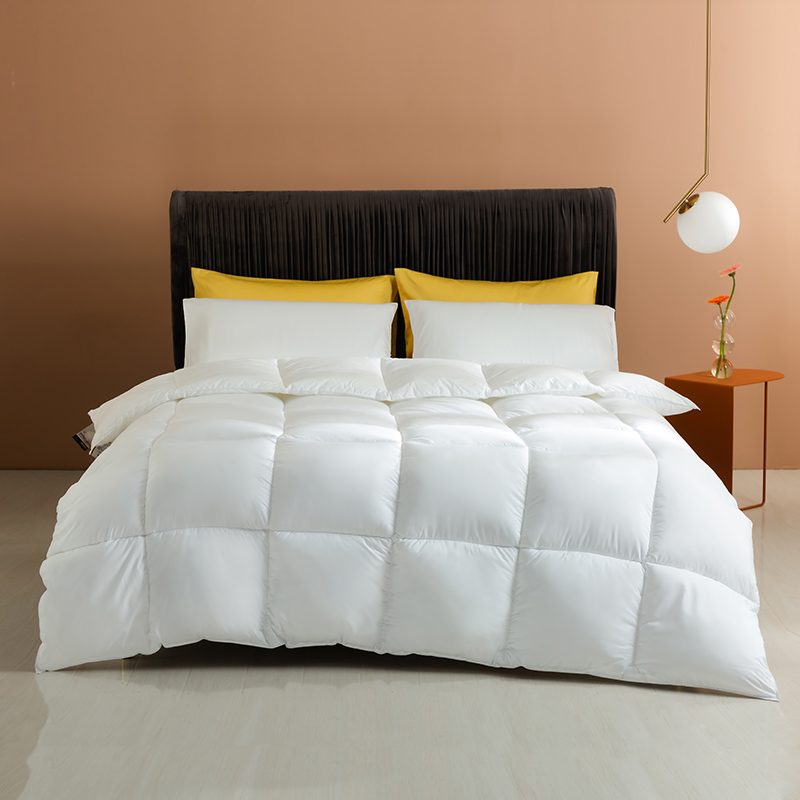
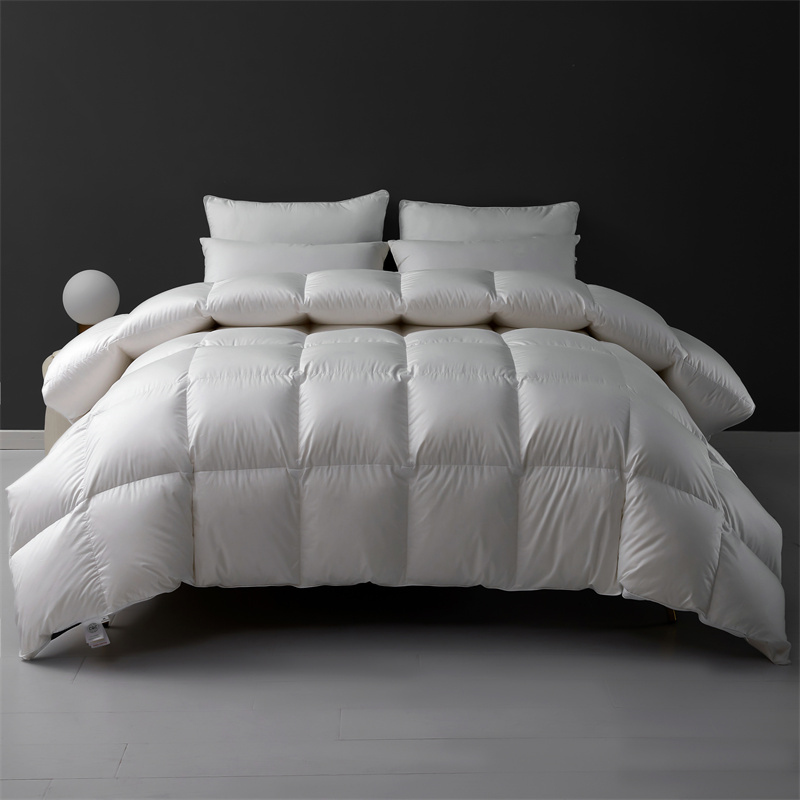
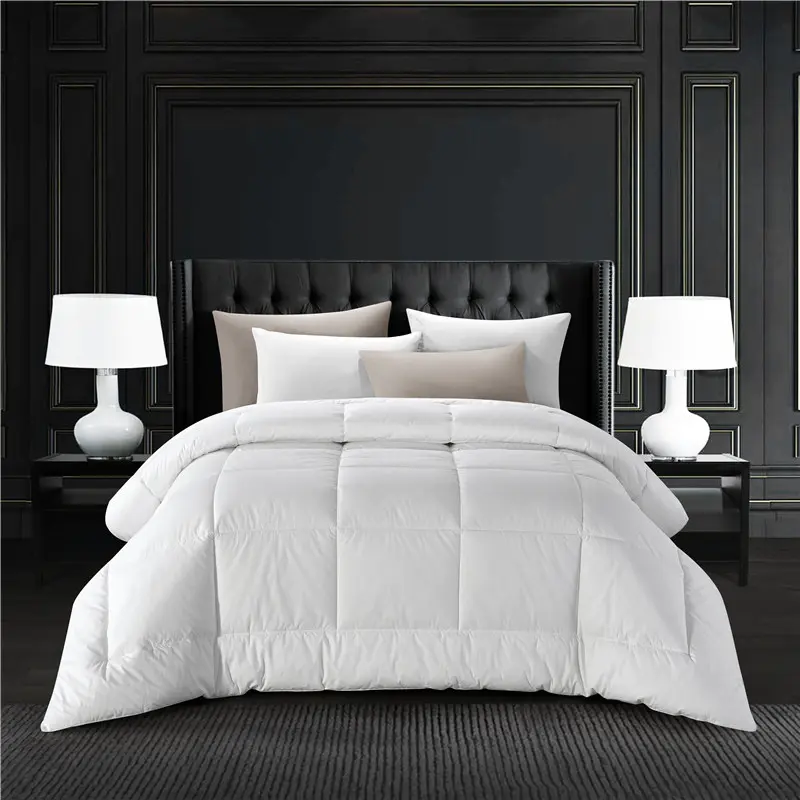
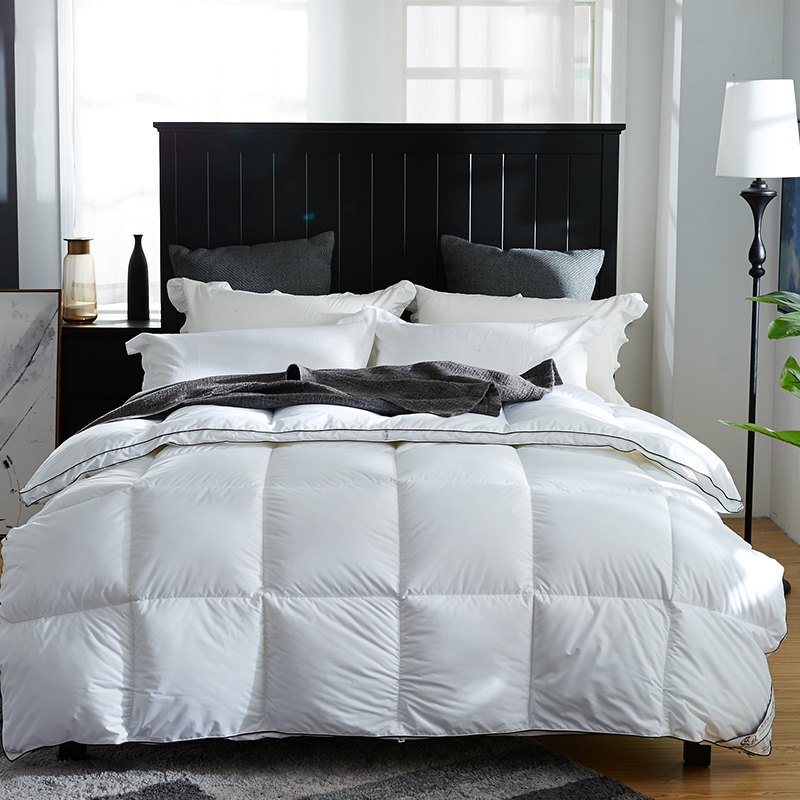
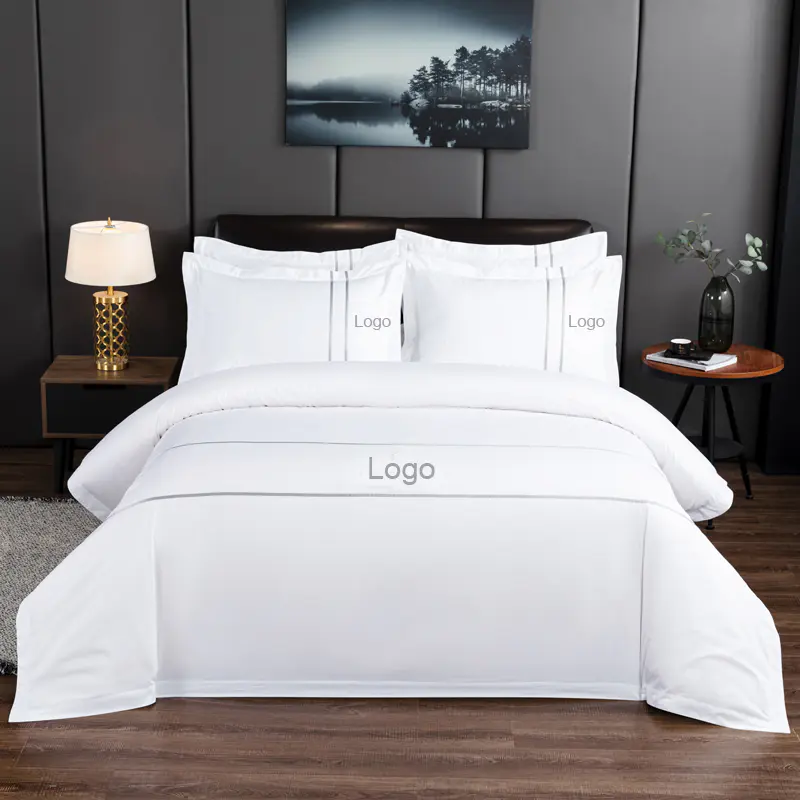


 Hotel Bedding Set
 +86-180 6864 1189
 +86-(0)513 86311444
 F Zone Chuanjiang Industrial Area, Tongzhou, Nantong City, Jiangsu Province, China