 English
 русский
 Español
 عربى
عربى
Home / News / Industry News / Ultimate Guide to Hotel Bedding Sets: Bring 5-Star Luxury to Your Bedroom
Ultimate Guide to Hotel Bedding Sets: Bring 5-Star Luxury to Your Bedroom


Ultimate Guide to Hotel Bedding Sets: Bring 5-Star Luxury to Your Bedroom
2026-03-05
Content
- 1 Why Choose Hotel-Style Bedding?
- 2 Key Components of a Complete Hotel Bedding Set
- 2.1 High-Quality Sheets (Percale vs. Sateen)
- 2.2 Plush Duvet Inserts and Covers
- 2.3 Supportive Pillows and Shams
- 2.4 Bed Runners and Decorative Accents
- 2.5 Putting It All Together: The Hotel Formula
- 2.6 Why Layering Matters
- 2.7 Design Consistency: The White Standard
- 2.8 Durability and Professional Standards
- 2.9 Summary of Essential Components
- 3 What to Look for: Thread Count, Material, and Weave
- 4 How to Care for Your Hotel Bedding to Keep It Crisp
- 4.1 Start with Proper Washing Practices
- 4.2 Avoid Fabric Softeners for Hotel-Style Crispness
- 4.3 Drying Techniques That Preserve Quality
- 4.4 Ironing for a Polished Hotel Look
- 4.5 Proper Storage to Maintain Freshness
- 4.6 Caring for Duvets and Inserts
- 4.7 Pillow Maintenance for Long-Term Support
- 4.8 Rotating Bedding for Even Wear
- 4.9 Preventing Common Issues
- 4.10 Maintaining the Crisp White Aesthetic
- 4.11 Seasonal Adjustments
- 4.12 Creating a Long-Term Maintenance Routine
- 4.13 Final Thoughts on Bedding Care
- 5 Frequently Asked Questions (FAQ) About Hotel Bedding Sets
- 5.1 What makes a hotel bedding set different from regular bedding?
- 5.2 What thread count is best for luxury hotel sheets?
- 5.3 Is Egyptian cotton better for hotel bedding?
- 5.4 Should I choose Percale or Sateen for a hotel-style bedroom?
- 5.5 Why do most hotels use white sheets?
- 5.6 How often should I wash my hotel bedding?
- 5.7 How can I keep my bedding crisp like a hotel?
- 5.8 What materials do luxury hotels prefer?
- 5.9 How long does a high-quality hotel bedding set last?
- 5.10 Do hotels use high thread count sheets?
- 6 References
Why Choose Hotel-Style Bedding?
Choosing a hotel-style bedding set is one of the easiest ways to instantly elevate your bedroom into a calm, luxurious retreat. Here’s why millions of travelers love the experience of sleeping in world-class hotels—and why you can recreate it at home.
Proven Comfort from Leading Hotel Brands
Top hospitality brands like Marriott and Hilton invest heavily in research, testing, and guest feedback to design bedding that appeals to a wide range of sleepers. Their bedding collections are carefully selected to deliver consistent softness, breathability, and durability across thousands of properties worldwide.
A Clean, Timeless Aesthetic
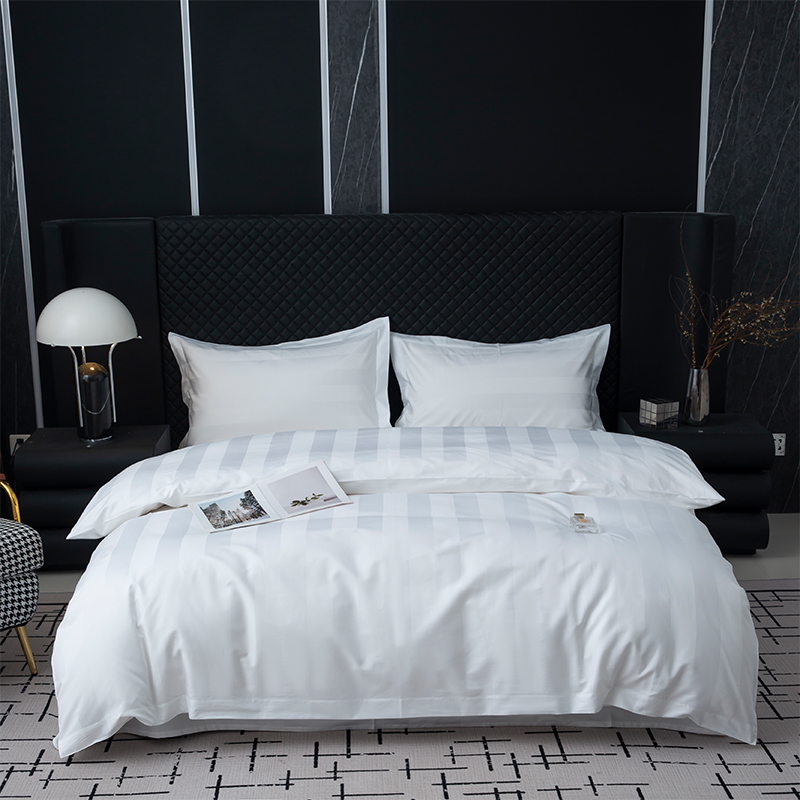
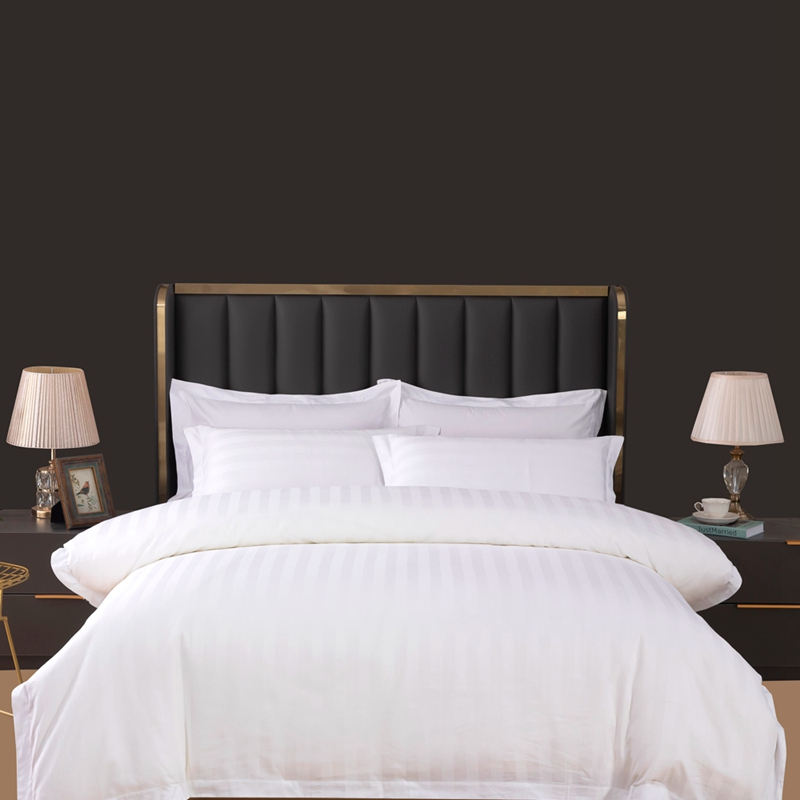
Hotel bedrooms are known for their signature look: crisp white linens, layered textures, and a minimalist design. This style creates a fresh, uncluttered atmosphere that promotes relaxation. White bedding also makes your space feel brighter, larger, and more refined—an essential feature of 5-star hotel bedding.
High-Quality Materials for Better Sleep
Luxury hotels typically use premium fabrics such as long-staple cotton, known for its strength and smooth feel. Many collections, including those inspired by brands like Frette, emphasize superior craftsmanship and fabric quality. These materials help regulate temperature, reduce irritation, and improve overall sleep comfort.
Designed for Durability and Frequent Washing
Unlike ordinary home linens, hotel bedding is built to withstand frequent laundering while maintaining its crisp texture. This means better long-term value. With proper care, your luxury hotel sheets can stay soft and fresh for years.
The Psychological Effect of Luxury
Sleeping in a well-made bed with smooth sheets, supportive pillows, and perfectly layered bedding creates a sense of comfort and indulgence. That “hotel feeling” is not just physical—it’s emotional. It signals rest, cleanliness, and relaxation.
Easy Upgrade with Immediate Impact
You don’t need a full bedroom renovation to achieve a 5-star look. Simply switching to a premium hotel bedding set can transform your space instantly. It’s one of the most cost-effective ways to bring luxury home.
Key Components of a Complete Hotel Bedding Set
A true hotel bedding set is more than just sheets and a comforter. It is a carefully layered system designed to deliver comfort, cleanliness, durability, and a refined aesthetic. Understanding each component helps you recreate the same elevated sleep experience found in luxury properties such as Marriott and Hilton, where bedding standards are consistently high across locations.
Below are the essential elements that define a complete 5-star hotel bedding setup.
High-Quality Sheets (Percale vs. Sateen)
Sheets are the foundation of any luxury hotel sheets experience. In hotels, the focus is typically on crispness, breathability, and durability rather than flashy patterns or heavy textures.
Material Matters: Long-Staple Cotton
Most premium hotel linens use long-staple cotton, known for its longer fibers. Longer fibers create smoother, stronger yarns, which result in:
- Enhanced softness
- Reduced pilling
- Greater durability
- A smoother surface feel
This type of cotton is often associated with high-end collections such as those produced by Frette, a brand widely recognized in luxury hospitality.
Percale Weave: Crisp and Cool
Percale weave is a tight, one-over-one-under weave pattern. It is often the preferred choice in classic white hotel bedding because of its:
- Matte finish
- Cool, breathable texture
- Lightweight feel
- Crisp “freshly laundered” sensation
Percale sheets are ideal for warm climates and hot sleepers. They feel structured and smooth rather than silky. Many travelers associate percale with the clean aesthetic of high-end hotel rooms.
Best for:
- Minimalist bedrooms
- Hot sleepers
- Those who prefer a crisp feel
Sateen Weave: Smooth and Silky
Sateen weave uses a different structure (typically three-over-one or similar pattern), creating:
- A soft, silky surface
- Subtle sheen
- Heavier drape
- Extra smooth touch
Sateen sheets feel warmer and more luxurious to some sleepers. They are often chosen for their elegant appearance and slightly richer texture.
Best for:
- Cooler climates
- People who prefer softness over crispness
- A more elegant, draped look
Thread Count: Quality Over Quantity
While many shoppers focus on thread count, luxury hotels prioritize fabric quality first. Thread count refers to the number of threads woven into one square inch of fabric.
However:
- Extremely high thread counts do not always mean better quality.
- Fabric type, yarn quality, and weave matter more.
- A well-made 300–500 thread count sheet in long-staple cotton can outperform a poorly made higher-count sheet.
When choosing sheets, prioritize:
- Long-staple cotton
- Proper weave (Percale or Sateen)
- Reputable craftsmanship
Plush Duvet Inserts and Covers
The duvet system is central to achieving a layered, cloud-like hotel bed.
Duvet Inserts
A duvet insert provides warmth and loft. In luxury hotels, duvets are typically:
- Lightweight yet insulating
- Evenly filled to prevent clumping
- Designed for breathability
- Easy to layer
Common fill materials include:
- Down (for softness and insulation)
- Down alternative (for hypoallergenic needs)
The key is balance. A 5-star hotel bedding set should feel cozy without being heavy or restrictive.
Duvet Covers
The duvet cover protects the insert and contributes to the overall aesthetic. In most white hotel sheets setups, duvet covers are also white to maintain consistency and cleanliness.
Benefits of a high-quality duvet cover:
- Easy to remove and wash
- Extends the life of the insert
- Allows style updates without replacing the entire comforter
- Adds a protective layer
Hotels prioritize smooth fabrics that complement the sheets, ensuring seamless layering and a cohesive appearance.
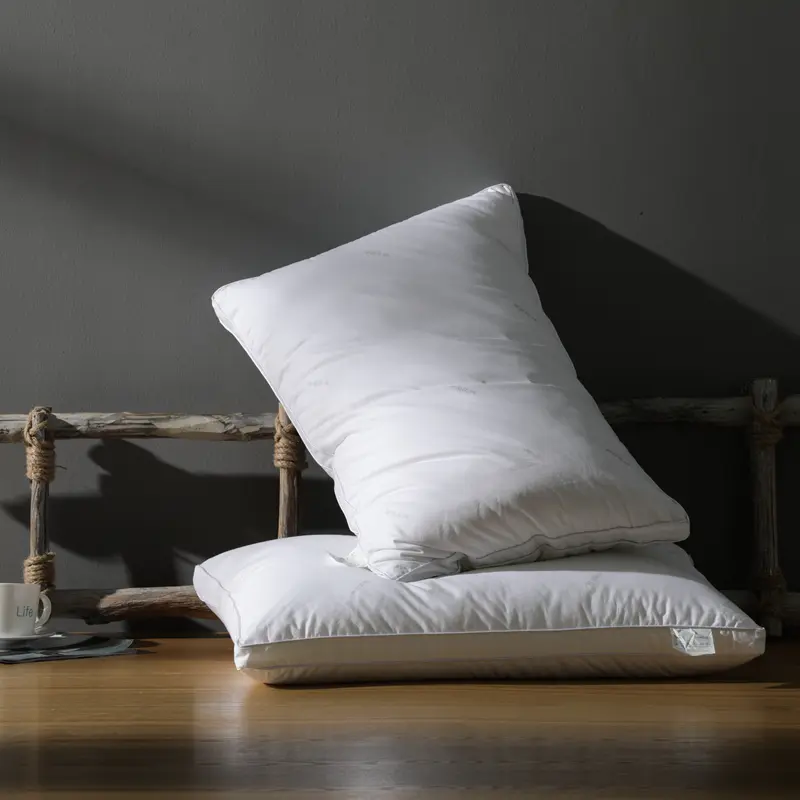
Supportive Pillows and Shams
Pillows are critical to achieving authentic 5-star hotel bedding comfort. A luxurious bed typically includes multiple pillows for both function and style.
Pillow Types
Hotels often provide:
- Soft pillows for comfort
- Medium or firm pillows for support
This variety allows guests to choose based on sleeping position:
- Side sleepers may prefer firmer support
- Back sleepers often prefer medium loft
- Stomach sleepers may opt for softer pillows
High-end pillows typically use:
- Down
- Down alternative
- Memory foam (in some modern hotel collections)
The goal is consistent support without flattening quickly.
Pillow Shams
Shams are decorative covers that match the bedding design. In luxury hotel styling, shams:
- Add structure to the bed
- Create layered depth
- Maintain a clean aesthetic
- Frame the sleeping pillows
Shams help transform simple bedding into a polished display, contributing to the signature hotel look.
Bed Runners and Decorative Accents
While often overlooked, decorative accents complete the hotel-inspired presentation.
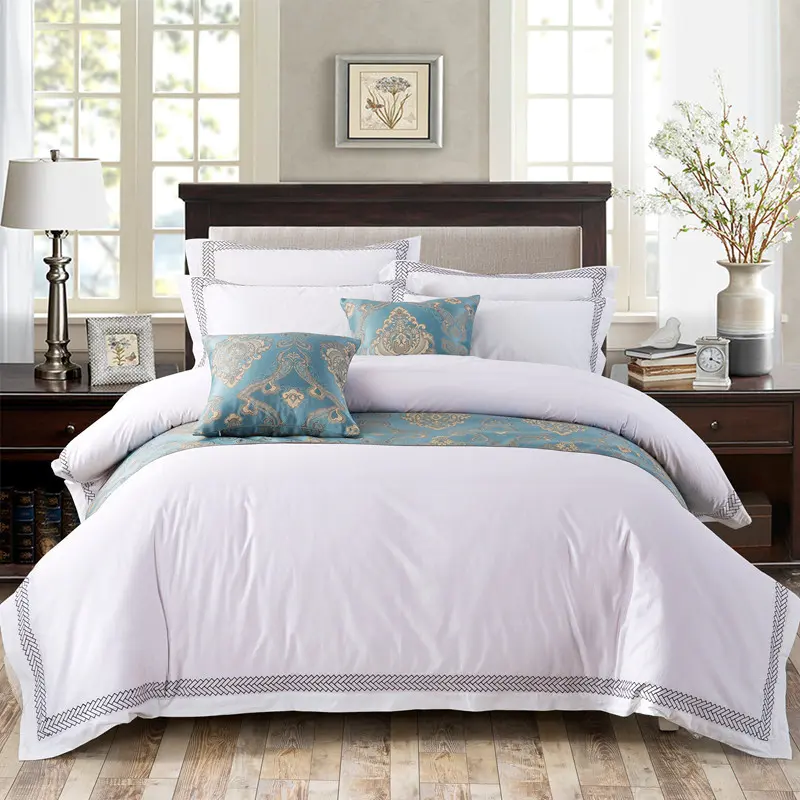
Bed Runners
A bed runner is a narrow decorative strip placed across the foot of the bed. It serves to:
- Add subtle contrast
- Introduce texture
- Enhance visual depth
- Reinforce branding in hotel settings
In many luxury properties, including premium suites, bed runners are used to add refinement without disrupting the neutral palette.
Throw Pillows (Minimal Approach)
Unlike overly decorated home beds, hotel beds maintain restraint. Decorative pillows are used sparingly to avoid clutter.
The hotel philosophy emphasizes:
- Clean lines
- Symmetry
- Simplicity
- Functional elegance
Too many accessories can reduce the calming effect that defines hotel collection bedding.
Putting It All Together: The Hotel Formula
A complete hotel bedding system typically includes:
- Crisp sheets (Percale or Sateen) made from long-staple cotton
- A breathable duvet insert with a smooth cover
- Multiple supportive pillows with matching shams
- Minimal decorative elements like a bed runner
Each layer serves both aesthetic and functional purposes. The result is a balanced bed that feels structured, breathable, and indulgent.
Why Layering Matters
Luxury hotels do not rely on a single thick blanket. Instead, they use strategic layering:
- Base sheet
- Top sheet
- Lightweight duvet
- Optional extra blanket (in cooler seasons)
This approach allows:
- Adjustable warmth
- Better hygiene
- Easier maintenance
- Enhanced comfort customization
Layering also creates the signature plush look seen in premium hotels worldwide.
Design Consistency: The White Standard
Most luxury hotels prefer white hotel sheets because white:
- Signals cleanliness
- Reflects light
- Matches any room design
- Creates a timeless aesthetic
White bedding also reinforces the crisp, fresh identity of a 5-star experience.
Durability and Professional Standards
Hotel bedding must endure frequent washing while maintaining softness and structure. Therefore, materials and construction are chosen for:
- Resistance to wear
- Long-term shape retention
- Easy laundering
- Consistent appearance
This durability ensures guests enjoy the same high standard every stay—an important principle you can adopt at home.
Summary of Essential Components
To recreate authentic hotel luxury, ensure your bedding includes:
- Premium sheets in Percale Weave or Sateen Weave
- High-quality Long-staple cotton fabric
- A balanced duvet insert and protective cover
- Supportive pillows with shams
- Minimal but refined decorative accents
- Attention to Thread Count, focusing on quality over quantity
When these elements work together, your bedroom transforms into a calm, elegant retreat inspired by world-class hospitality standards.
What to Look for: Thread Count, Material, and Weave
When selecting the best hotel bedding sets, it is important to understand that true luxury is not defined by marketing claims, oversized numbers, or flashy packaging. Instead, authentic 5-star hotel bedding is built on three essential pillars: thread count, material quality, and weave structure. These elements work together to determine how the sheets feel, how well they breathe, how long they last, and whether they truly deliver the crisp comfort associated with high-end hotels.
Many shoppers focus heavily on thread count, assuming that a higher number automatically means better quality. However, luxury hotels prioritize fabric performance rather than inflated statistics. To choose bedding that truly reflects the experience of premium properties, you must evaluate all three factors carefully and understand how they interact.
Thread Count: Understanding Its Real Role
Thread count refers to the number of horizontal and vertical threads woven into one square inch of fabric. It can influence softness and density, but it does not determine quality on its own. In fact, extremely high thread counts can sometimes be misleading if manufacturers use multi-ply yarns or complex counting methods that artificially increase the number.
For most luxury hotel sheets, the ideal thread count range depends on the weave. For percale, a thread count between 250 and 400 is generally considered excellent. For sateen, a range between 300 and 600 often provides optimal softness without sacrificing breathability. Within these ranges, the fabric remains balanced—soft yet durable, smooth yet breathable.
Hotels choose these moderate ranges because they must prioritize comfort across a wide range of guests. Bedding in hospitality environments needs to feel fresh, lightweight, and easy to maintain. A well-made sheet with a moderate thread count can outperform a higher-count sheet if it is crafted from superior fibers. Therefore, thread count should support your decision, not dominate it.
When evaluating thread count, remember that consistency in weave and fiber quality is far more important than chasing the highest possible number.
Material: The Foundation of Luxury Comfort
While thread count affects texture, the material determines overall quality. For authentic hotel collection bedding, cotton remains the gold standard. However, not all cotton is equal. The length of the cotton fiber plays a crucial role in softness and durability.
Long-staple cotton is widely recognized as the preferred material for high-end bedding. Longer fibers create smoother yarns with fewer loose ends, resulting in fabric that feels softer, resists pilling, and maintains strength over time. This type of cotton improves with washing, becoming increasingly comfortable while retaining its structure.
Many shoppers associate premium quality with Egyptian cotton hotel bedding, which traditionally refers to long-staple cotton grown in specific regions. When genuine and properly processed, this material delivers exceptional smoothness and breathability. It is often used in luxury hospitality settings because it balances elegance with performance.
Another high-quality option is Supima cotton, known for its strength and color retention. Regardless of the brand or label, the key factor is fiber length and purity. Bedding made from 100% long-staple cotton typically provides superior comfort compared to synthetic blends or short-fiber alternatives.
Cotton blends may offer wrinkle resistance or lower cost, but they often reduce airflow and natural softness. For a true hotel-inspired experience, natural high-quality cotton is usually the best choice.
Weave: The Texture That Defines the Experience
If material forms the foundation, weave determines the personality of the sheet. The two most common weaves found in hotel-style bedding are Percale Weave and Sateen Weave. Each provides a distinct feel, and choosing between them depends on personal preference.
Percale Weave uses a simple one-over, one-under pattern. This structure creates a crisp, matte finish with excellent breathability. Percale sheets feel cool to the touch and lightweight on the body. Over time, they become softer while maintaining their structured feel. This weave is commonly associated with classic white hotel sheets, as it delivers the clean, freshly laundered sensation that many guests expect from premium accommodations.
Percale is particularly suitable for warm climates or individuals who sleep hot. Its open structure allows airflow, helping regulate temperature throughout the night. The texture is smooth but not shiny, making it ideal for minimalist bedroom designs that emphasize simplicity and freshness.
In contrast, Sateen Weave uses a different construction method that exposes more surface threads. This results in a smoother finish with a subtle sheen. Sateen sheets feel silkier and slightly heavier than percale. They drape elegantly over the bed, creating a refined and luxurious appearance. Many people prefer sateen for its softness and visual richness.
However, sateen should always be crafted from high-quality long-staple cotton to ensure durability. When properly made, it offers a balance of comfort and elegance suitable for cooler environments or those who prefer a warmer sleep surface.
Choosing between percale and sateen ultimately depends on how you like your bedding to feel. If you prioritize crispness, breathability, and classic hotel aesthetics, percale is often the ideal choice. If you prefer smoothness, warmth, and a subtle sheen, sateen may better suit your needs.
How These Three Factors Work Together
The true secret of 5-star hotel bedding lies in the combination of all three elements. Thread count supports structure, material provides strength and softness, and weave defines texture. When these components are balanced correctly, the result is bedding that feels luxurious without being heavy, crisp without being stiff, and soft without losing durability.
Luxury hotels invest in consistent quality standards because they must satisfy thousands of guests with different preferences. This is why brands like Marriott and Hilton focus on breathable cotton, carefully selected weaves, and reliable construction rather than exaggerated specifications. Their goal is not just softness, but performance, longevity, and comfort across seasons.
When shopping for your own bedding, think like a hotel buyer. Prioritize fiber quality first, select the weave based on your comfort preference, and use thread count as a supporting guideline rather than the primary decision factor.
Additional Considerations for Long-Term Satisfaction
Beyond thread count, material, and weave, there are a few subtle details that influence overall quality. Look for strong stitching along seams, reinforced elastic in fitted sheets, and consistent fabric density throughout the sheet. These construction details ensure the bedding maintains its shape and fit after repeated washing.
Breathability is another important factor. Natural cotton weaves allow air circulation and moisture absorption, helping maintain a comfortable sleep temperature. This is one reason hotel beds feel consistently fresh and balanced.
Durability should also be considered. High-quality cotton softens with washing rather than deteriorating. Over time, it develops a more comfortable texture while retaining strength. This long-term improvement is a hallmark of premium bedding.
Creating the Authentic Hotel Experience
To achieve the look and feel of a true hotel bedroom, choose sheets that reflect simplicity and refinement. Many luxury properties prefer white hotel sheets because white symbolizes cleanliness, light, and timeless style. Combined with percale weave and long-staple cotton, this creates the crisp, inviting appearance commonly associated with upscale accommodations.
When all elements align—appropriate thread count, premium cotton, and carefully selected weave—you create bedding that mirrors the standards of global hospitality leaders. The result is not only visual elegance but also superior sleep comfort.
In conclusion, understanding thread count, material, and weave allows you to make informed decisions when selecting a hotel bedding set. Instead of focusing solely on numbers, evaluate fiber quality, construction, and texture. By doing so, you can confidently choose bedding that delivers breathable comfort, long-lasting durability, and the refined simplicity of a true luxury hotel experience.
How to Care for Your Hotel Bedding to Keep It Crisp
Investing in a premium hotel bedding set is only the first step toward achieving the clean, luxurious look of 5-star hotel bedding. The true secret to maintaining that crisp, fresh appearance lies in proper care. High-quality linens—especially those made from long-staple cotton—are designed to last for years, but they require thoughtful washing, drying, and storage practices to preserve their softness, structure, and brightness.
Luxury hotels maintain strict laundering standards to ensure their bedding remains fresh, smooth, and inviting for every guest. By adopting similar care habits at home, you can extend the life of your sheets, protect their fibers, and keep your bedroom looking elegant and well-maintained.
Below is a comprehensive guide to caring for your luxury hotel sheets, duvet covers, pillows, and related bedding components so they stay crisp and comfortable over time.
Start with Proper Washing Practices
The foundation of bedding care begins in the washing machine. How you wash your sheets directly impacts their texture, color, and longevity.
For high-quality cotton bedding, always use a gentle or normal cycle with cool or warm water rather than hot water. Excessive heat can weaken natural fibers over time and may contribute to shrinkage. Warm water is typically sufficient to remove body oils, sweat, and everyday buildup while maintaining fabric integrity.
Choose a mild liquid detergent designed for delicate fabrics. Avoid heavy detergents with harsh additives, as they can leave residue on the fibers, reducing softness and breathability. Too much detergent can also create buildup that makes sheets feel stiff rather than crisp.
It is equally important not to overload the washing machine. Bedding needs adequate space to move freely so it can be cleaned thoroughly. Overcrowding can cause uneven washing and unnecessary friction between fabrics.
Washing sheets every one to two weeks is generally recommended for optimal freshness. Regular cleaning helps maintain hygiene and keeps white hotel sheets bright and inviting.
Avoid Fabric Softeners for Hotel-Style Crispness
While fabric softeners may seem like a good way to enhance comfort, they can actually reduce the crisp feel associated with hotel bedding. Softening agents coat the fibers, which may diminish breathability and cause long-term buildup.
Instead of fabric softener, consider using white vinegar occasionally during the rinse cycle. A small amount can help remove detergent residue naturally, leaving sheets feeling clean and refreshed without affecting fiber performance.
For those who prefer an even crisper finish, skipping softeners altogether is often the best approach.
Drying Techniques That Preserve Quality
Drying is just as important as washing when it comes to maintaining your hotel collection bedding.
Whenever possible, tumble dry on low to medium heat. High heat can stress cotton fibers and contribute to shrinkage. Removing sheets promptly from the dryer helps minimize wrinkles and preserves their smooth texture.
To enhance crispness, avoid over-drying. Slightly damp sheets are easier to smooth out and fold neatly. Over-drying can make fabric feel rough or brittle.
If you prefer a natural approach, line drying is an excellent option. Air drying in a well-ventilated space preserves fiber strength and can enhance freshness. However, avoid prolonged exposure to direct sunlight, which may gradually fade bright white linens.
Many luxury properties use controlled commercial dryers to ensure consistency. At home, replicating this balance with low heat and timely removal will produce similar results.
Ironing for a Polished Hotel Look
One defining feature of 5-star hotel bedding is its immaculate presentation. While not always necessary, light ironing can enhance the crisp aesthetic of your sheets and pillowcases.
For Percale Weave, ironing at a moderate temperature can emphasize its structured finish. The smooth surface responds well to pressing and enhances the clean appearance.
For Sateen Weave, use lower heat settings to protect the subtle sheen of the fabric. Ironing sateen can enhance its elegant drape, but always ensure the fabric is slightly damp or use steam for best results.
If you prefer a low-maintenance routine, removing sheets from the dryer promptly and folding them neatly can reduce the need for ironing.
Proper Storage to Maintain Freshness
How you store your bedding affects how it feels when you use it again.
Store sheets in a cool, dry place away from direct sunlight. Exposure to light and humidity can affect fabric quality over time. Folding linens neatly prevents deep creases and helps maintain a smooth surface.
A popular hotel-inspired technique is to store complete sheet sets together inside one of the pillowcases. This keeps the pieces organized and ensures easy access when changing the bed.
Avoid storing bedding in plastic containers for long periods, as this can trap moisture. Breathable fabric storage is ideal for preserving freshness.
Caring for Duvets and Inserts
A complete hotel bedding system includes not only sheets but also duvet inserts and covers. Proper care of these components is essential for maintaining comfort and cleanliness.
Duvet covers should be washed regularly, just like sheets, since they act as the primary protective layer. Most high-quality cotton duvet covers can follow similar washing guidelines: gentle cycle, mild detergent, and low heat drying.
Duvet inserts, however, require less frequent cleaning. Always check manufacturer instructions, but many inserts can be washed every few months depending on use. Using a duvet cover significantly extends the life of the insert by preventing direct contact with skin oils and dust.
Fluffing the duvet regularly helps maintain loft and even distribution of filling. This ensures consistent warmth and a plush appearance.
Pillow Maintenance for Long-Term Support
Pillows are another essential element of a complete hotel bedding set. Over time, pillows can accumulate moisture and lose shape. Proper care helps preserve comfort and support.
Most pillowcases should be washed alongside sheets. For the pillows themselves, follow specific cleaning instructions based on fill type.
Down and down-alternative pillows often benefit from gentle washing and thorough drying with low heat. Adding clean dryer balls can help restore loft during the drying process.
Regularly fluffing pillows keeps them supportive and extends their lifespan. Replacing pillows every few years is recommended to maintain optimal comfort and hygiene.
Rotating Bedding for Even Wear
One strategy used in hospitality environments is rotation. Having multiple sheet sets allows you to alternate usage, reducing wear on any single set.
Rotating bedding helps:
- Distribute laundering cycles evenly
- Maintain fiber strength
- Extend overall lifespan
- Preserve brightness and softness
This approach is especially beneficial for those who invest in premium materials such as long-staple cotton.
Preventing Common Issues
To keep your bedding in top condition, avoid a few common mistakes:
- Do not use excessive heat during washing or drying.
- Avoid bleach unless absolutely necessary, as it can weaken natural fibers.
- Do not leave damp sheets in the washing machine for extended periods, as this may cause odors.
- Avoid rough surfaces or harsh chemicals that can damage fabric.
With proper care, high-quality bedding can remain soft and elegant for many years.
Maintaining the Crisp White Aesthetic
Many luxury hotels prefer a clean white presentation because it symbolizes freshness and simplicity. To preserve bright white hotel sheets, consider the following practices:
Wash whites separately from colored fabrics.
Use gentle whitening agents if needed, but avoid harsh chlorine bleach.
Dry thoroughly to prevent yellowing.
Store in a clean environment to avoid discoloration.
Regular maintenance ensures that your bedding continues to reflect the polished look associated with premium hospitality environments.
Seasonal Adjustments
Depending on the season, you may need to adjust care routines slightly.
In warmer months, sheets may require more frequent washing due to increased sweating. Lightweight Percale Weave bedding is particularly suitable for summer because of its breathability.
In cooler seasons, Sateen Weave bedding may feel more comfortable. Ensure proper drying to prevent moisture retention during humid periods.
Adapting care to seasonal changes keeps your bedding fresh year-round.
Creating a Long-Term Maintenance Routine
Consistency is key. Establish a simple care schedule:
- Wash sheets every 1–2 weeks
- Rotate sets if possible
- Fluff pillows regularly
- Air out bedding occasionally
- Inspect for wear and address issues early
With these habits, your bedding will maintain its structure, softness, and visual appeal.
Final Thoughts on Bedding Care
Caring for your luxury hotel sheets does not need to be complicated. By using gentle washing methods, low heat drying, thoughtful storage, and proper maintenance, you can preserve the crisp texture and elegant appearance that define authentic 5-star hotel bedding.
High-quality materials such as long-staple cotton are designed to improve with time when treated correctly. With the right care routine, your bedroom can consistently reflect the fresh, refined atmosphere found in world-class hotels—while ensuring lasting comfort and durability.
Frequently Asked Questions (FAQ) About Hotel Bedding Sets
What makes a hotel bedding set different from regular bedding?
A true hotel bedding set is designed to deliver consistent comfort, durability, and a clean aesthetic similar to what guests experience in luxury properties. Unlike standard home bedding, hotel-style linens typically use high-quality materials such as long-staple cotton, balanced thread counts, and breathable weaves like Percale Weave or Sateen Weave. Hotels prioritize performance, easy maintenance, and long-term durability, which results in bedding that feels crisp, fresh, and refined.
What thread count is best for luxury hotel sheets?
For authentic luxury hotel sheets, thread count is important but should not be the only factor. In general:
- Percale sheets perform best in the 250–400 thread count range.
- Sateen sheets are often ideal between 300–600 thread count.
Higher numbers do not always mean better quality. The fabric type, fiber length, and weave are more important than extremely high thread count claims.
Is Egyptian cotton better for hotel bedding?
Many people look for Egyptian cotton hotel bedding because it is known for its long fibers and smooth texture. When authentic, Egyptian cotton can provide excellent softness, breathability, and durability. However, what truly matters is that the cotton is long-staple and high quality. Regardless of origin, premium fiber length is the key to achieving a 5-star hotel feel.
Should I choose Percale or Sateen for a hotel-style bedroom?
The choice depends on personal preference:
Percale Weave feels crisp, cool, and breathable. It is ideal for hot sleepers and those who prefer a matte, classic hotel look.
Sateen Weave feels smoother and slightly warmer, with a subtle sheen. It is better for those who prefer softness and a more luxurious drape.
Both can deliver a hotel-inspired experience if made from high-quality cotton.
Why do most hotels use white sheets?
Most luxury hotels prefer white hotel sheets because white represents cleanliness, simplicity, and timeless elegance. White bedding also creates a bright, fresh atmosphere and matches any interior design style. Additionally, white linens are easier for hotels to maintain and sanitize consistently, reinforcing the feeling of hygiene and professionalism.
How often should I wash my hotel bedding?
For best results, wash your sheets every one to two weeks. Regular cleaning removes body oils, sweat, and dust while maintaining freshness. Duvet covers should be washed regularly as well, since they act as the protective layer for the insert. Pillowcases should also be cleaned frequently to maintain hygiene and comfort.
How can I keep my bedding crisp like a hotel?
To maintain the crisp look of 5-star hotel bedding:
- Wash with mild detergent
- Use warm (not hot) water
- Avoid excessive fabric softener
- Dry on low heat
- Remove promptly from the dryer
- Fold neatly or lightly iron if desired
Proper care preserves texture, brightness, and structure.
What materials do luxury hotels prefer?
Most high-end properties use 100% long-staple cotton because it offers the best combination of softness, breathability, and durability. This includes cotton varieties commonly associated with premium hospitality standards. The goal is comfort that improves over time while remaining strong after repeated laundering.
How long does a high-quality hotel bedding set last?
With proper care, a premium hotel collection bedding set can last several years. Longevity depends on fiber quality, washing habits, and frequency of use. Rotating multiple sets and following recommended care instructions can significantly extend lifespan while maintaining softness and appearance.
Do hotels use high thread count sheets?
Not necessarily. Many hotels prefer moderate thread counts combined with high-quality cotton and proper weave construction. The focus is on comfort, breathability, and durability rather than inflated numbers. This balance ensures guests experience consistent luxury without sacrificing performance.
References
- Marriott International. (n.d.). Bedding and sleep system information. Marriott International.
- Hilton Worldwide. (n.d.). Hotel bedding and sleep experience. Hilton.
- Westin Hotels & Resorts. (n.d.). The Westin Heavenly Bed: Sleep experience and comfort. Westin. [https://www.marriott.com/westin](https://www.marriott.com/westin)
- Frette. (n.d.). Luxury hotel collection: Bedding fabrics and care. Frette.
- Marriott International. (n.d.). Marriott Hotels Signature Bedding collection. Marriott International.
- Hilton. (n.d.). Hilton signature bedding: Comfort and durability. Hilton.
- Cotton Incorporated. (n.d.). Understanding long-staple cotton and its advantages for textiles. Cotton Incorporated.
- Egyptian Cotton Association. (n.d.). Egyptian cotton: Quality indicators and fiber characteristics. Egyptian Cotton Association.
- Supima. (n.d.). Supima cotton: Properties and advantages. Supima.
- Textile Industry Standards (Percale & Sateen). (n.d.). Definitions and weave structures for hotel-grade linens. Textile Standards Institute.

News
-
Hotel Duvet Materials: Microfiber vs Down Explained Introduction to Hotel Duvet Materials Hotel duvets are more than just bedding; they are a critical component of the guest experi...
READ MORE -
Why That Hotel Bed Feels Like Sleeping on a Cloud There's a particular moment every traveler knows. You pull back the crisp white sheets of a luxury hotel bed, sink into the mattre...
READ MORE -
Why Choose Hotel-Style Bedding? Choosing a hotel-style bedding set is one of the easiest ways to instantly elevate your bedroom into a calm, luxurious retreat. Here’s why millions ...
READ MORE

Product List
 Hotel Bedding Set
 +86-180 6864 1189
 +86-(0)513 86311444
 F Zone Chuanjiang Industrial Area, Tongzhou, Nantong City, Jiangsu Province, China