 English
 русский
 Español
 عربى
عربى
Home / News / Industry News / What Are the Differences Between Memory Foam, Latex, and Feather Mattress Toppers?
What Are the Differences Between Memory Foam, Latex, and Feather Mattress Toppers?


What Are the Differences Between Memory Foam, Latex, and Feather Mattress Toppers?
2026-05-11
Content
- 1 Quick Comparison at a Glance
- 2 Memory Foam Mattress Toppers: Deep Contouring and Pressure Relief
- 3 Latex Mattress Toppers: Responsive Support with Superior Longevity
- 4 Feather and Down Mattress Toppers: Soft Luxury at Lower Cost
- 5 How Fill Thickness Affects Performance Across All Three Types
- 6 Temperature Regulation: The Biggest Differentiator for Hot Sleepers
- 7 Durability and Long-Term Value
- 8 Which Mattress Topper Type Is Right for You?
The core differences between memory foam, latex, and feather mattress toppers come down to feel, support, temperature regulation, durability, and price. Memory foam contours closely to the body for pressure relief; latex offers responsive bounce with better cooling and longevity; feather toppers provide soft, lightweight cushioning at the lowest cost but with the least support. Knowing which material matches your sleep style and physical needs prevents a costly mismatch.
Quick Comparison at a Glance
The table below gives a structured overview of how the three topper types perform across the most important buying criteria.
| Criteria | Memory Foam | Latex | Feather / Down |
|---|---|---|---|
| Feel | Slow-sinking, contouring | Springy, responsive | Soft, plush, cloud-like |
| Pressure relief | Excellent | Good | Minimal |
| Temperature regulation | Poor (traps heat) | Good (open-cell airflow) | Excellent (natural breathability) |
| Motion isolation | Excellent | Moderate | Poor |
| Durability | 3–5 years | 5–10 years | 2–4 years |
| Allergy risk | Low | Low (natural latex may trigger latex allergy) | High (dust mites, dander) |
| Price range (Queen) | $50–$300 | $150–$500 | $30–$150 |
| Best for | Pain relief, side sleepers | Hot sleepers, combination sleepers | Softness seekers, budget buyers |
Memory Foam Mattress Toppers: Deep Contouring and Pressure Relief
Memory foam was originally developed by NASA in the 1960s for aircraft cushioning and became widely adopted in sleep products in the 1990s. Today it remains the most popular mattress topper material globally, primarily because of its exceptional pressure-relieving properties.
How Memory Foam Feels
Memory foam responds to both heat and pressure, slowly conforming to the shape of your body and distributing weight evenly across the surface. When you move, it takes 5–10 seconds to return to its original shape — a characteristic known as slow recovery. This creates a "sinking in" sensation that many sleepers find deeply comfortable, though some describe it as feeling trapped or restricted.
Who Benefits Most from Memory Foam
- Side sleepers: Memory foam cushions the hips and shoulders — the two highest-pressure points for this sleep position — reducing the risk of pressure sores and joint pain
- Chronic pain sufferers: Studies show memory foam reduces pressure point pain by up to 30% compared to traditional spring surfaces
- Couples with different sleep schedules: Memory foam absorbs motion transfer exceptionally well, so one partner getting up at night is far less likely to disturb the other
Key Drawbacks of Memory Foam
- Heat retention: Traditional memory foam traps body heat because its dense closed-cell structure limits airflow; sleepers who already run hot often wake up sweating
- Off-gassing: New memory foam toppers typically emit a chemical odor (VOCs) for 24–72 hours after unpacking; airing out in a ventilated room before use is recommended
- Weight: A queen-size 3-inch memory foam topper typically weighs 15–25 lbs, making it harder to move, rotate, or clean than other types
Gel-infused memory foam addresses the heat problem to some degree by incorporating cooling gel beads into the foam matrix, reducing surface temperature by approximately 2–4°F compared to standard memory foam — though it still underperforms latex and feather in breathability.
Latex Mattress Toppers: Responsive Support with Superior Longevity
Latex toppers are made from either natural rubber (tapped from Hevea brasiliensis trees) or synthetic latex (petroleum-derived), or a blend of both. Natural latex is considered the premium option and commands a significantly higher price — a queen natural latex topper typically costs $200–$500 versus $80–$180 for synthetic.
How Latex Feels Compared to Memory Foam
Latex has a noticeably different feel from memory foam. Rather than slowly conforming and holding your shape, latex pushes back immediately with a buoyant, springy response. It contours to the body but without the sinking sensation — sleepers feel more "on top of" the topper rather than "in" it. Recovery time is nearly instant (under 1 second), which makes repositioning and changing sleep positions feel effortless.
Natural vs. Synthetic Latex: Key Differences
- Natural latex (Dunlop or Talalay process): More durable (8–12 year lifespan), naturally antimicrobial and dust-mite resistant, biodegradable, and GOLS-certified options available for eco-conscious buyers
- Synthetic latex: Lower cost, slightly less durable (4–6 years), nearly identical feel to natural latex but lacks natural antimicrobial properties
- Blended latex: Typically 30% natural / 70% synthetic; a middle-ground option in both price and performance
Who Benefits Most from Latex
- Hot sleepers: Latex's open-cell or pin-core structure allows continuous airflow, keeping sleep surface temperatures significantly cooler than memory foam
- Combination sleepers: The instant responsiveness makes rolling over and repositioning easy without feeling stuck
- Eco-conscious buyers: Certified natural latex (GOLS, OEKO-TEX) is one of the most sustainable mattress topper materials available
Key Drawbacks of Latex
- Latex allergy risk: Approximately 1–6% of the general population has a latex sensitivity; those affected must choose synthetic alternatives or other materials entirely
- Heavy weight: A 3-inch queen natural latex topper can weigh 30–40 lbs — the heaviest of the three types, making setup and washing covers physically demanding
- Higher upfront cost: Quality natural latex toppers represent the largest initial investment among the three categories
Feather and Down Mattress Toppers: Soft Luxury at Lower Cost
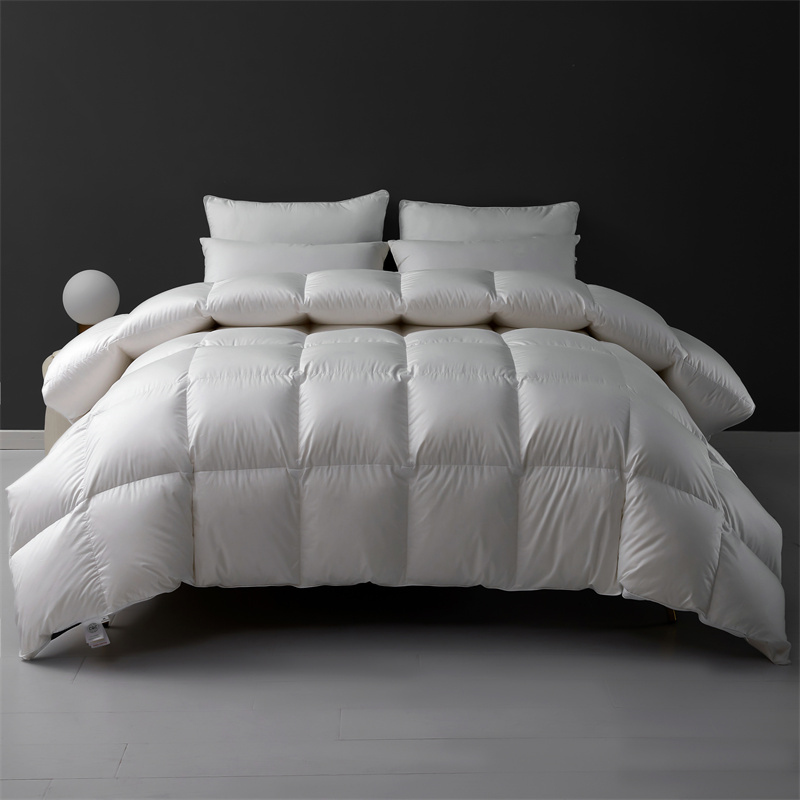
Feather and down toppers — sometimes called featherbeds — are filled with either duck or goose feathers, down clusters, or a blend of both. They are the oldest and most traditional type of mattress topper, and they deliver a distinctly different sleep experience from foam-based options.
Feather vs. Down: What's Inside Matters
- Feathers have quills, providing more structure and slight firmness; they are heavier and less expensive but can poke through the fabric casing over time
- Down clusters are the soft underplumage without quills; they are lighter, softer, and more expensive — goose down is considered superior to duck down in loft and softness
- Fill power ratings (measured in cubic inches per ounce) indicate loft quality: 600–700 fill power is good quality; 700–900+ is premium and found in luxury hotel-grade toppers
Who Benefits Most from Feather Toppers
- Stomach sleepers: The low-resistance, compressible surface keeps the spine more neutral than thick foam toppers, which can push the midsection upward
- Budget-conscious shoppers: A quality feather topper for a queen bed can be found for $50–$100, significantly less than foam alternatives
- Sleepers who prioritize breathability: Natural feathers and down allow air to circulate freely, making feather toppers the coolest-sleeping option of the three
Key Drawbacks of Feather Toppers
- No structural support: Feather toppers add softness only — they do not correct a sagging mattress or provide orthopedic pressure relief
- Allergy concerns: Feathers and down are among the most common bedding allergens, harboring dust mites and triggering reactions in allergy-prone sleepers
- Requires frequent fluffing: Feather fill compresses under body weight and needs daily fluffing to maintain loft; over time, fill clumps and redistributes unevenly
- Shorter lifespan: Most feather toppers noticeably degrade in comfort within 2–3 years of nightly use
How Fill Thickness Affects Performance Across All Three Types
Thickness — measured in inches — significantly changes how each topper type performs. The right thickness depends on your body weight, sleep position, and what problem you're trying to solve.
| Thickness | Memory Foam Effect | Latex Effect | Feather Effect |
|---|---|---|---|
| 1–2 inches | Light surface softening | Subtle cushioning, firm feel retained | Minimal loft, compresses quickly |
| 2–3 inches | Noticeable contouring, good pressure relief | Balanced support and cushioning | Plush feel, good for average weight sleepers |
| 3–4 inches | Deep sinking feel, maximum pressure relief | Strong support with plush surface | Hotel-style luxury; heavier sleepers sink through |
For sleepers over 230 lbs, a minimum of 3 inches is recommended for both memory foam and latex to prevent bottoming out — the point where the body compresses through the topper and contacts the underlying mattress directly.
Temperature Regulation: The Biggest Differentiator for Hot Sleepers
If you sleep hot, material choice has a direct and significant impact on your comfort. Body temperature regulation is where the three topper types diverge most dramatically.
- Memory foam is the worst performer for hot sleepers — its dense structure traps body heat, and some sleepers report sleep surface temperatures 3–5°F higher than on an uncovered mattress. Gel or copper-infused variants partially mitigate this.
- Latex performs well due to its open-cell foam structure or pin-core design, which allows heat to dissipate through the material. Talalay-process latex is particularly breathable due to its interconnected cell network.
- Feather and down toppers are the most breathable of the three — natural fibers actively wick moisture and allow airflow, keeping the sleep surface closer to ambient room temperature throughout the night.
Durability and Long-Term Value
The purchase price of a mattress topper tells only part of the cost story. Durability determines the true cost per year of ownership.
- Memory foam typically maintains acceptable comfort for 3–5 years before developing permanent body impressions or losing its pressure-relieving resilience. Budget memory foam toppers under $80 often degrade noticeably within 12–18 months.
- Natural latex is the clear durability winner — high-quality Dunlop latex toppers regularly last 8–12 years without significant compression loss. At $300 over 10 years, the annual cost ($30/year) is often lower than replacing a $100 memory foam topper every 3 years ($33/year).
- Feather toppers have the shortest lifespan — fill clumping and quill breakdown means most lose meaningful loft within 2–3 years, making them the highest replacement-frequency option despite their low initial cost.
Which Mattress Topper Type Is Right for You?
There is no universally superior option — the right choice depends entirely on your specific sleep needs, body type, and budget.
Choose Memory Foam If:
- You sleep on your side and experience hip or shoulder discomfort
- You or your partner are a light sleeper sensitive to movement disturbance
- Your primary goal is pressure point relief rather than temperature regulation
Choose Latex If:
- You sleep hot and have found memory foam uncomfortably warm
- You are a combination sleeper who changes positions frequently through the night
- You want the longest-lasting option and are willing to pay more upfront for lower long-term cost
Choose Feather / Down If:
- Your goal is purely adding a soft, plush surface layer to an otherwise comfortable mattress
- You sleep on your stomach and need a low-resistance surface that doesn't elevate your midsection
- You have a limited budget and are not dealing with pain or temperature issues that require a more technical solution
News
-
Hotel Duvet Materials: Microfiber vs Down Explained Introduction to Hotel Duvet Materials Hotel duvets are more than just bedding; they are a critical component of the guest experi...
READ MORE -
Why That Hotel Bed Feels Like Sleeping on a Cloud There's a particular moment every traveler knows. You pull back the crisp white sheets of a luxury hotel bed, sink into the mattre...
READ MORE -
Why Choose Hotel-Style Bedding? Choosing a hotel-style bedding set is one of the easiest ways to instantly elevate your bedroom into a calm, luxurious retreat. Here’s why millions ...
READ MORE

Product List
 Hotel Bedding Set
 +86-180 6864 1189
 +86-(0)513 86311444
 F Zone Chuanjiang Industrial Area, Tongzhou, Nantong City, Jiangsu Province, China