 English
 русский
 Español
 عربى
عربى
Home / News / Industry News / Anti Allergy Bed Sheets for Asthma: What Actually Works and What to Avoid
Anti Allergy Bed Sheets for Asthma: What Actually Works and What to Avoid


Anti Allergy Bed Sheets for Asthma: What Actually Works and What to Avoid
2026-09-28
Content
- 1 Why asthma symptoms tend to flare up in bed
- 2 What makes a sheet genuinely anti-allergy for asthma?
- 3 Cotton vs synthetic for asthma-friendly bedding
- 4 Beyond sheets: protective covers and pillows
- 5 How to care for anti-allergy sheets so they keep working
- 6 Final practical checklist for asthma-friendly bedding
If you have asthma, the worst moment of the day is often the second you wake up: chest tightness, coughing, or a runny nose. The trigger is not just dust floating in the room. It is the avalanche of allergen particles that lives in your sheets and gets released into the air as you turn during sleep. The practical fix is to choose anti-allergy bed sheets for asthma that are physically dense enough to block those particles, that you can wash hot, and that are backed by relevant certifications. That combination matters more than any single fabric name.
Why asthma symptoms tend to flare up in bed
Your bed is a reservoir. Dust mites feed on dead skin cells and need warm, humid conditions to multiply. A single double mattress can host many thousands of mites, and the sheets you lie on become a secondary harbor for mite feces and skin flakes. As you move, these particles float up and enter your breathing zone. For an asthma patient, that is a direct and often immediate trigger.
Fabric choice decides how much of that material reaches your airway. If a sheet is woven too loosely, allergens pass through the gaps just like dust passes through an open window. That is why the phrase "anti-allergy" is not a marketing claim; it is a measurable property of the fabric. Key bedroom allergens include:
- Dust mite particles
- Pet dander
- Pollen
- Mold spores
- Cockroach allergens
What makes a sheet genuinely anti-allergy for asthma?
The most practical definition of an anti-allergy sheet for asthma is one that physically blocks allergens, can be washed at high temperatures, and has been tested for harmful chemicals. Start with fabric density. Thread count is not the entire story, but it is a useful proxy: a sheet in the 300 to 400 thread count range, especially combed cotton sateen, creates a much tighter surface than a low-count percale. Tight weave reduces the ability of dust mite allergens to pass through the fabric and also reduces how much of the allergen re-accumulates in the fiber structure.
A 400TC 100% cotton sateen sheet set is one of the most practical starting points for asthma sufferers who need comfort and allergen control. It is soft, breathable, and dense enough to act as a barrier. It also tolerates hot laundering better than thin blends. Dense cotton, certified to OEKO-TEX Standard 100, gives you an additional layer of confidence because it limits the residual chemicals that can irritate sensitive airways.
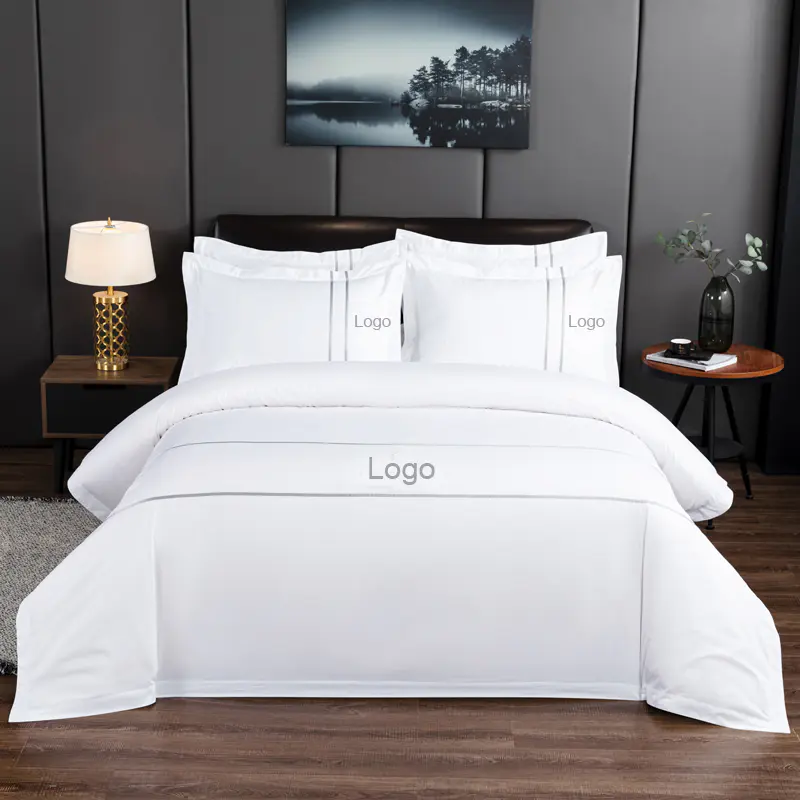
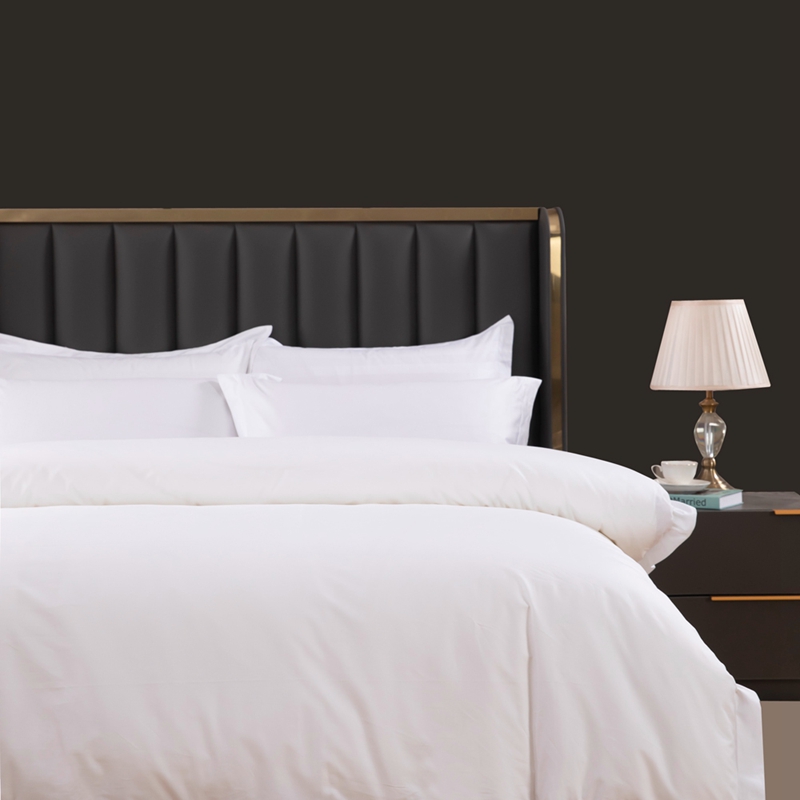 400TC 100% Cotton Sateen Hotel Bedding Set for Allergy ControlThis dense cotton sateen bedding offers breathability and a tight weave that helps block allergens, while its high thread count withstands hot laundering and meets OEKO-TEX standards for reduced irritants.View Product →
When you are evaluating a sheet, look beyond the word "hypoallergenic." The real questions are: What is the weave density? What is the fiber? Can you wash it at 60°C? Does it carry an eco certification? These questions separate a genuinely useful product from a generic one.
Cotton vs synthetic for asthma-friendly bedding
Cotton versus microfiber is a common debate in asthma-friendly bedding. The answer depends on where you apply the material. For sheets, cotton at high thread count wins because it breathes while blocking dust mites. Microfiber can be made very tightly woven, which gives it decent allergen resistance, but it traps heat and moisture, and that makes the sleep environment more favorable to mites and less comfortable for an asthma patient. Bamboo and Tencel are soft and breathable, but they are usually not as densely woven as 400TC cotton, so they work best as secondary layers.
| Material | Dust mite barrier | Breathability | Washability | Best use |
|---|---|---|---|---|
| 100% cotton, 400TC+ | High | Good | Excellent | Main sheets |
| 100% cotton, lower TC | Moderate | Good | Excellent | Everyday use with frequent washing |
| Microfiber polyester | Varies, often high | Poor | Good | Pillows and duvet fills |
| Bamboo viscose | Moderate | High | Good | Cooling covers and mattress protectors |
| Tencel (lyocell) | Moderate | High | Good | Gentle alternative for sensitive skin |
Microfiber has a place in your bed, but not as the sheet that covers your whole body. It is useful as a pillow fill or duvet fill because those products can be washed and dried frequently, and they do not hold dust mites the way down feathers can. If you do choose a microfiber pillow for allergy reasons, look for a pillow with a 100% cotton cover that is tightly woven.
Beyond sheets: protective covers and pillows
Even the best anti-allergy sheets will not solve your nighttime symptoms if the mattress and pillows underneath are exposed. A mattress protector is the first line of defense against the allergen reservoir inside the mattress. A waterproof bamboo mattress protector combines a moisture-resistant barrier with natural antimicrobial properties. It prevents sweat and spills from soaking into the mattress, which means dust mites have less moisture and warmth to thrive on. This is a relatively cheap upgrade with a large impact.
A bamboo mattress protector is especially valuable for asthma because it stops the allergen cycle at the source. The dense material resists dust mite penetration, and because it is waterproof, you can wipe it clean and air it out without stripping the entire bed.
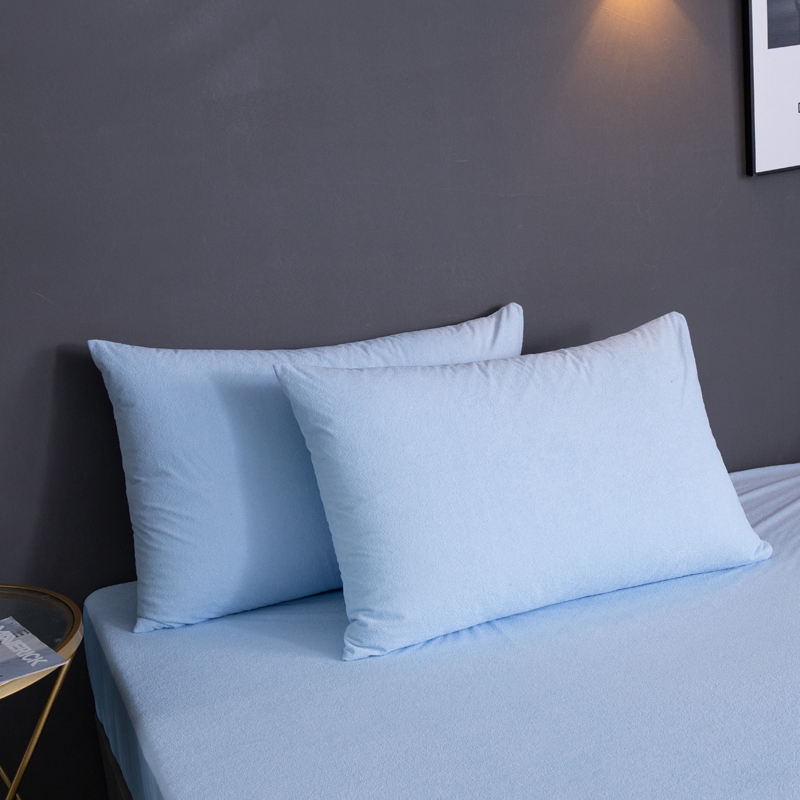 Waterproof Bamboo Mattress Protector with Breathable TPU BackingBamboo fibers create a soft, moisture-wicking surface, and the TPU layer forms a waterproof barrier that can be wiped clean, helping to reduce dust mite exposure without compromising comfort.View Product →
Pillows are a separate hotspot. The average pillow accumulates skin flakes, dust mites, and saliva droplets over time. Down and feather pillows are notoriously difficult to make allergy-proof because the fill itself holds moisture and creates a favorable micro-environment. A microfiber pillow with a cotton cover is easier to keep clean, and it does not react the same way when you wash it. You can also look for a pillow with a zipper, which lets you remove the outer layer for washing and keeps the inner fill from becoming an allergen shelter. This type of pillow is a smart choice for asthma management because it reduces the number of places where allergens can nest.
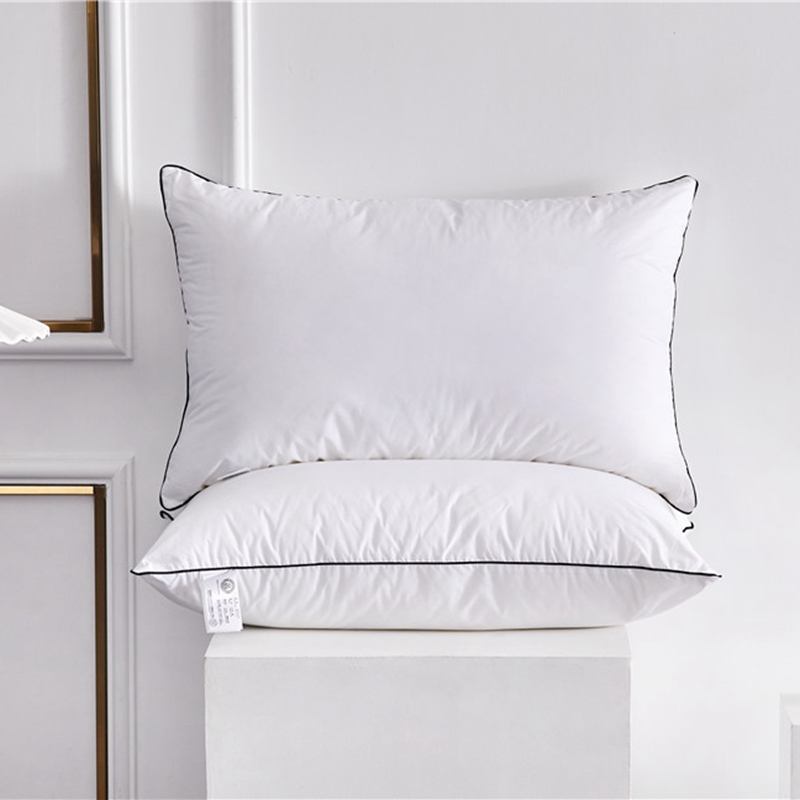 Cotton Pillows with Hypoallergenic Microfiber Fill and ZipperHigh-density cotton cover and microfiber fill offer a down-like feel without allergens, while a zipper allows easy removal and washing to keep the pillow fresh and reduce allergen buildup.View Product →
How to care for anti-allergy sheets so they keep working
Once you have the right materials, care becomes the deciding factor. Hot water and heat are the only reliable tools that kill dust mites. Cooling the bed with air conditioning is not enough. A weekly routine keeps the fabric tight and the allergen load low. Here is the order that works:
- Wash sheets and pillowcases at least every 7 days at 60°C.
- Use a fragrance-free detergent and do not use fabric softener. Softener coats the fibers and traps allergens.
- Dry on high heat using a dryer ball or a clean towel to speed up moisture removal.
- For high-thread-count cotton, iron on the "cotton" setting. Heat flattens the fibers and tightens the fabric structure further.
- Wash pillows and mattress protectors every 3 to 4 months.
Final practical checklist for asthma-friendly bedding
The final step is to verify the whole setup. There is no single sheet that can cure asthma, but the right combination changes the trigger environment. A practical asthma-friendly bed uses 400TC cotton sheets, a waterproof bamboo mattress protector, microfiber pillows with cotton covers, and regular hot laundering. Add OEKO-TEX Standard 100 certification and control humidity below 50%, and you have done the most realistic thing possible to reduce dust mite exposure at night.
We should not overcomplicate this. If you are buying sheets and you have asthma, start with dense cotton, look for a certification, and plan to wash them every week. Then add protective layers underneath and solid pillow options. The result is not a cure, but it is meaningful relief from the allergen load that makes mornings so hard.

News
-
Hotel Duvet Materials: Microfiber vs Down Explained Introduction to Hotel Duvet Materials Hotel duvets are more than just bedding; they are a critical component of the guest experi...
READ MORE -
Why That Hotel Bed Feels Like Sleeping on a Cloud There's a particular moment every traveler knows. You pull back the crisp white sheets of a luxury hotel bed, sink into the mattre...
READ MORE -
Why Choose Hotel-Style Bedding? Choosing a hotel-style bedding set is one of the easiest ways to instantly elevate your bedroom into a calm, luxurious retreat. Here’s why millions ...
READ MORE

Product List
 Hotel Bedding Set
 +86-180 6864 1189
 +86-(0)513 86311444
 F Zone Chuanjiang Industrial Area, Tongzhou, Nantong City, Jiangsu Province, China