 English
 русский
 Español
 عربى
عربى
Home / News / Industry News / Airbnb Bedding Ideas: Top Durable, Guest-Ready Linens for Rental Hosts
Airbnb Bedding Ideas: Top Durable, Guest-Ready Linens for Rental Hosts


Airbnb Bedding Ideas: Top Durable, Guest-Ready Linens for Rental Hosts
2026-09-07
Content
Most Airbnb hosts learn the same lesson within the first month of listing: the photograph that attracts the booking is not the photograph that earns the review. Guests remember the bed, and the bedding you choose is where most five-star ratings are won or lost. Drawing on years of supplying mid-range and luxury hotel properties, the practical answer to Airbnb bedding ideas is not one showpiece product but a coordinated layer system that holds up through hundreds of guest rotations.
The Core Metric: Guest Comfort per Machine Load
Airbnb bedding is not furniture. It is a consumable that faces far harsher conditions than bedding in a private home. Guests arrive with luggage, eat in bed, apply skincare products, and sometimes sleep in suits or makeup. Between each stay, you or your cleaner run the bedding through a commercial-grade wash. A duvet cover in a busy rental property can be washed dozens of times in a single year, which is far more than the same item would see in a family home.
This is why the best Airbnb bedding decisions prioritize three factors in this order: durability, ease of laundering, and perceived comfort. A 750-thread-count sateen sheet looks beautiful in a photo, but if it requires ironing after every wash and pills after the twentieth cycle, it costs you more in labor and replacement than it adds in review scores. Choose materials that deliver credible comfort without asking for constant upkeep.
Choose the Right Layers, Not the Most Expensive Layers
Sheet Set: The Foundation of Guest Perception
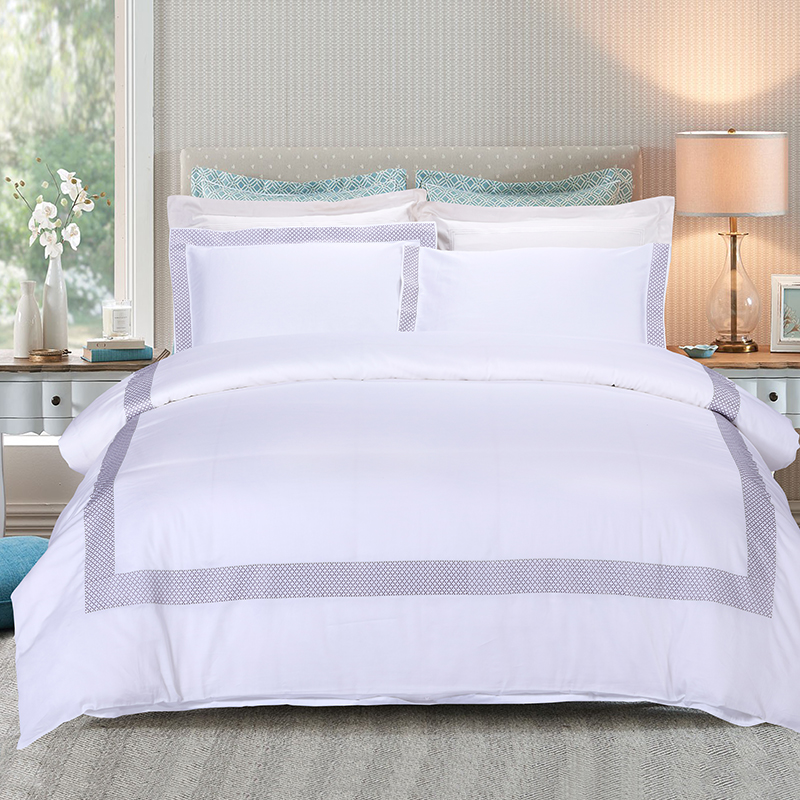
Hotel industry standards consider 300-thread-count, 100-percent cotton as the entry point for a credible guest experience. This density gives a smooth, breathable surface without the fraying risk of tighter weaves. For Airbnb, a 300TC cotton sheet set with a subtle embroidered detail strikes the right balance: it feels hotel-grade in a listing photo, washes well at high temperatures, and does not require the careful pressing that higher-count sateen demands.
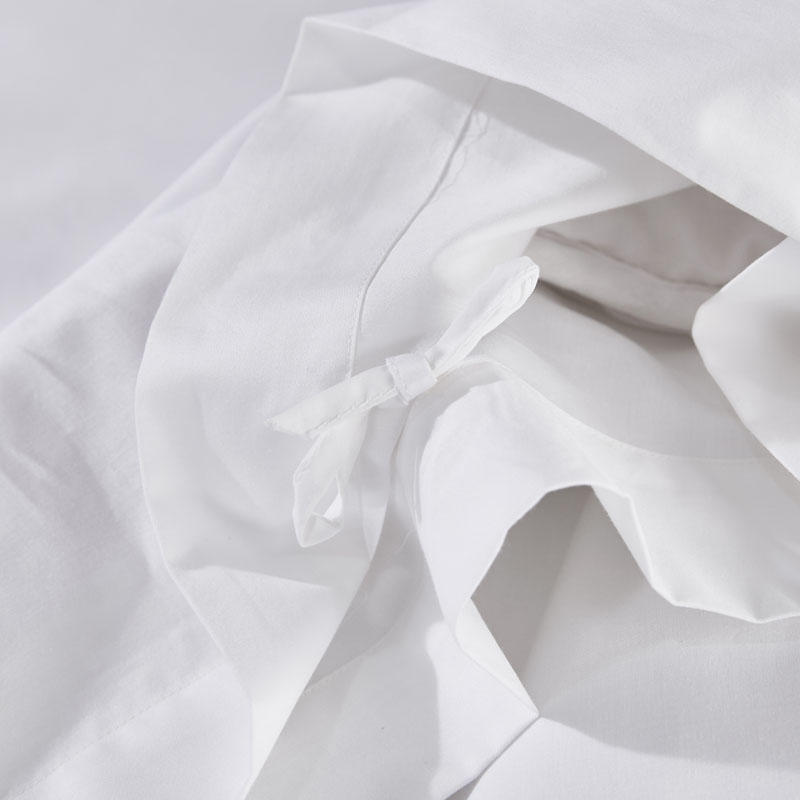 300TC 100% Cotton Dot Embroidered Sheet Set for HotelsThis 300-thread-count cotton sheet set with dot embroidery offers a breathable, durable sleep surface. Its hotel-grade quality suits guest rooms, providing comfort and a polished look that withstands frequent washing.View Product →
If your property caters to guests who value a crisp, cool sleep environment, consider keeping a second set of lighter weight 100-percent cotton sheets for warmer months. The added investment buys flexibility, and travelers frequently mention sheet temperature in reviews.
Duvet: The Most Versatile Layer
A layered bedding system gives guests a choice. Many travelers prefer a duvet with a separate cover, while some expect a lighter summer blanket. For Airbnb, a two-in-one insert that combines a lightweight layer with a heavier layer is a practical solution: it lets you adjust warmth seasonally, maintains a consistent white appearance, and eliminates the need to stock both a summer and winter duvet for every room.
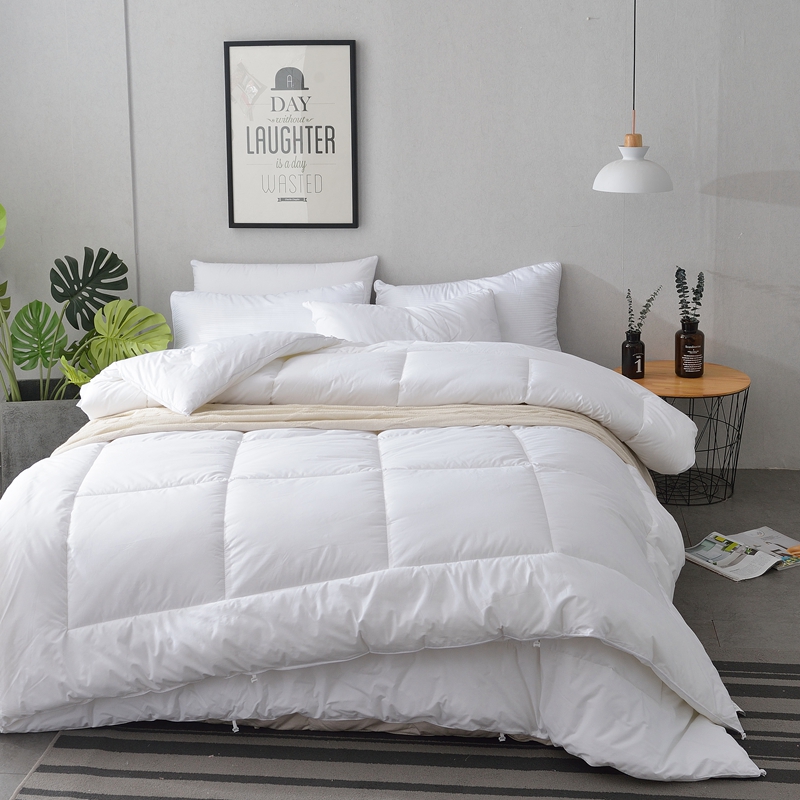 Two-in-One Duvet with Lightweight and Heavyweight LayersThis versatile duvet combines a light and a heavy layer, allowing seasonal adjustment. The microfiber fill is easy to care for and hypoallergenic, ideal for rental properties needing consistent comfort.View Product →
Superfine microfiber fillings are a stronger choice for Airbnb than down for one key reason: they are easier to wash and dry, they do not need professional cleaning, and they offer a lower allergen risk. Down remains a premium option, but for a property manager who wants consistent results on a rotating schedule, microfiber is the material that survives the process.
Pillows: Give Guests a Personal Choice
Pillow height is a deeply personal preference. Offering two firm pillows and one height-adjustable pillow per bed covers most sleepers without asking the guest to request extra items. Look for a pillow with a full-length zipper so the filling can be removed or added to adjust loft. This flexibility reduces the common complaint of waking up with neck pain after a stay.
In property economics, pillows are also the item with the highest replacement rate, because they absorb sweat and oil more directly than any other bedding layer. Cleaning staff should inspect pillow loft during turnover; if a pillow does not regain its shape after fluffing, replace it before the next guest arrives.
Mattress Protector: The Silent Investment
A mattress is the single most expensive element of a guest bed. A waterproof mattress protector is not an optional luxury in a rental; it is the layer that prevents spilled drinks, bodily fluids, and accidental stains from reaching the mattress core. Look for a protector with a soft bamboo or cotton top that remains breathable while its waterproof membrane stays hidden underneath. A well-fitted protector should feel quiet during sleep, not crinkly or hot.
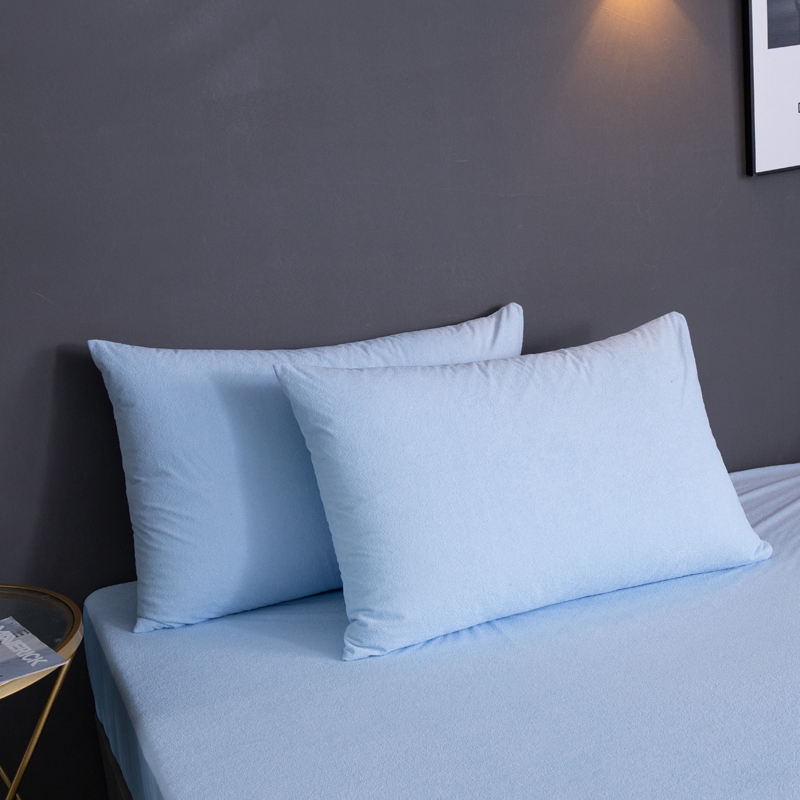 Waterproof Bamboo Mattress Protector with Fitted DesignThis protector features a soft bamboo surface and a waterproof TPU backing, keeping mattresses dry and breathable. Its fitted design ensures a secure fit, protecting against spills and stains in rental settings.View Product →
Material and Construction Metrics That Matter
Understanding the numbers on a product label helps you compare prices accurately and identify which supplier is offering a genuinely better weave. The table below outlines how common bedding materials behave in a rental setting.
| Fabric | Thread Count / GSM | Best Suited For | Laundry Behaviour |
|---|---|---|---|
| 100% Cotton, plain weave | 300TC | Mid-range rentals | Tolerates hot washes; needs quick removal from dryer to limit wrinkles |
| 100% Cotton, sateen weave | 400-750TC | Luxury and design-led properties | Soft sheen; higher risk of pilling if cheap cotton is used; often needs ironing |
| Cotton-polyester blend | 300TC | Budget-conscious hosts | Wrinkle resistant; dries faster; less breathable than pure cotton |
| 100% Polyester | 135gsm | Basic rooms and guesthouses | Very fast drying; lower comfort; can static and cling |
One metric deserves extra attention for Airbnb hosts: the fabric weight of a duvet or blanket. Fill weight is measured in grams per square meter (GSM). For a guest room, a 300gsm microfiber fill offers a comfortable mid-season weight, while a 450gsm fill suits colder conditions. Choosing a two-in-one duvet allows you to combine layers to reach the weight your guest room needs.
Build a Rotation System That Prevents Guest Complaints
Even the best bedding loses quality when it is washed, dried, and folded under time pressure. A simple rotation system prevents you from putting a comforter back on the bed before it has fully dried, a mistake that also invites mildew odor.
- Keep at least three full bedding sets per bed: one in use, one being washed, and one ready for the next turnover.
- Use a small colored tag or marker to distinguish sets by room number, so the same set is never returned to a different bed after washing.
- Wash white linens separately from towels and dark colored items to prevent lint transfer and fading.
- Inspect fitted sheet corners for pilling and check the duvet cover zipper before folding; most guest complaints about old habits trace back to a worn zipper.
White remains the standard for hotel and Airbnb bedding because it signals cleanliness and allows oxygen bleach to remove stains more effectively than colored fabrics. It also allows a single inventory to match any room style, which is one of the reasons hotel bedding is almost always white. If you are wondering how often the sheets under a duvet should be replaced between guests, the same turnover logic applies: inspect the setup before arrival and swap out any layer that looks or smells worn.
Where to Spend More and Where to Save
Budget allocation in Airbnb bedding should follow the impact of each layer on guest satisfaction and turnover time.
- Spend more on the mattress protector and mattress topper, because these layers protect the most expensive assets and significantly affect sleep comfort.
- Spend a moderate amount on the sheet set, aiming for 300TC cotton with a simple design that is easy to source repeatedly.
- Spend the least on pure decorative items, such as throw cushions and coverlets, while keeping pillows and sheets at a standard that guests regularly praise.
A common pitfall among hosts is overspending on the first beautiful set and then replacing it too frequently with a cheaper copy. Avoid this by buying from a single supplier who can maintain consistency across your whole inventory. If the same bedding set is available for repeat orders years later, routine replacement becomes a simple administrative task instead of a redesign exercise.
Airbnb bedding is essentially an operational decision dressed up as a design choice. The guest-facing goal is a clean, comfortable, and inviting bed; the operational goal is a system that survives repeated laundering without becoming a source of extra labor. Borrow the same approach that hotel procurement teams already use: choose a clean white palette, layer your materials by function, keep rotating sets in circulation, and inspect each piece before the next guest arrives. That combination produces a review score that matches the quality of your pictures.


News
-
Hotel Duvet Materials: Microfiber vs Down Explained Introduction to Hotel Duvet Materials Hotel duvets are more than just bedding; they are a critical component of the guest experi...
READ MORE -
Why That Hotel Bed Feels Like Sleeping on a Cloud There's a particular moment every traveler knows. You pull back the crisp white sheets of a luxury hotel bed, sink into the mattre...
READ MORE -
Why Choose Hotel-Style Bedding? Choosing a hotel-style bedding set is one of the easiest ways to instantly elevate your bedroom into a calm, luxurious retreat. Here’s why millions ...
READ MORE

Product List
 Hotel Bedding Set
 +86-180 6864 1189
 +86-(0)513 86311444
 F Zone Chuanjiang Industrial Area, Tongzhou, Nantong City, Jiangsu Province, China